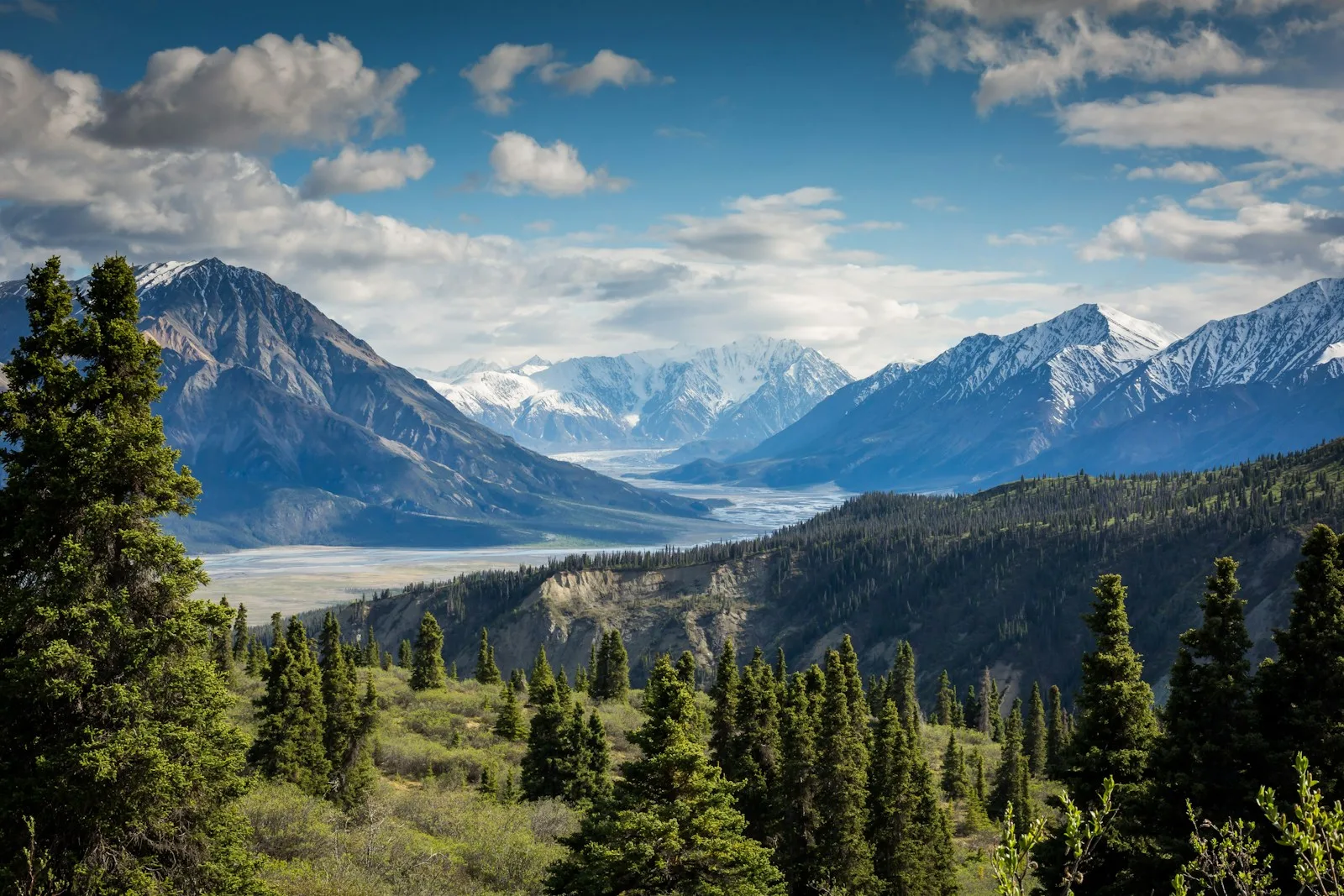
Photo by Kalen Emsley on Unsplash
Every time it’s the same. Being on a trail, somewhere between suffering and joy, surrounded by mountains that don’t care whether one finishes or not.
People ask me why I do it. Why I sign up for runs that start before dawn, climb thousands of feet of elevation, and leave me unable to walk normally for days afterward. Why I choose suffering over comfort on the mornings when I could sleep in.
The honest answer is: I run mountains because it’s the only time my mind goes completely quiet.
The Noise
Most of my life is noise. Not bad noise — just the constant hum of a working brain that won’t stop processing. Emails to answer. Code to review. Articles to write. Decisions to make. Conversations to replay. Plans to adjust. The mental tab count is always in the dozens, and there’s no close-all button.
Running on flat ground helps a little. Road running is meditative in its rhythm — left, right, left, right — but my mind still wanders. I’ll be three miles in and suddenly realize I’ve been thinking about work the entire time. The body is moving but the brain is somewhere else entirely.
Mountain running is different. The terrain demands too much attention for the mind to wander.
The Narrowing
On a mountain trail, the world narrows. It starts wide — you’re at the trailhead, the sky is big, the peaks are in the distance, your head is full of the week you just left behind. But as the climb begins, the world shrinks.
First, the conversations in your head quiet down. The spreadsheet, the Slack thread, the thing you should have said differently — they fade. Not because you’re trying to be mindful, but because your quadriceps are screaming and your lungs are working at capacity and there’s a root across the trail that will send you sprawling if you don’t lift your foot high enough.
Then the horizon shrinks. You can’t see the peak anymore. You can’t see the valley behind you. All you can see is the next switchback, the next rock, the next step. The world reduces to about ten feet of trail in front of you, and that’s enough. That’s more than enough. That’s everything.
This narrowing is the closest thing I’ve found to peace. Not the absence of thought, but the presence of a single thought: the next step.
I’m on a trail, surrounded by other runners and mountains, and I’m in that space between exhaustion and determination where everything feels raw and real.
Trail races are different from road races. On the road, you’re racing the clock and the people around you. On the trail, you’re racing yourself — your willingness to keep going when the grade steepens, your ability to stay present when your body wants to quit, your capacity to find another gear when you’re already in your lowest one.
The other runners aren’t competitors in the traditional sense. They’re fellow sufferers. You share nods on the climbs. You offer encouragement on the descents. You pass each other back and forth as one surges and the other fades. There’s a camaraderie that comes from shared suffering that I’ve never found anywhere else — not in offices, not in meetings, not even in most social settings.
What the Mountains Teach
I’ve learned things on mountain trails that I couldn’t learn anywhere else:
Pain is temporary. Every climb ends. Every cramp fades. Every dark patch has a finish line on the other side. This isn’t motivational poster wisdom — it’s lived experience, verified by every race I’ve finished. The pain that feels unbearable at mile 20 is a memory by mile 25. The body is more resilient than the mind believes.
Pacing matters more than speed. The runners who fly past me on the first climb are often walking by the third. The runners who start steady and conserve energy are the ones standing strong at the finish. This applies to everything — careers, relationships, creative projects. Start too hot and you burn out. Start steady and you endure.
You can always go one more step. The most important lesson. When everything in you says stop, when your legs are done and your mind is done and quitting seems like the only rational choice — you can take one more step. And then another. And then another. And somehow, those steps add up to a finish line.
The view is worth the climb. Every summit, every ridge, every clearing that opens onto a panorama of peaks and valleys and sky — it’s worth every step of suffering to get there. The mountains give you something you can’t get any other way: perspective. Literal perspective — you can see for miles. And figurative perspective — your problems look very small from 5,000 feet up.
After the Finish Line
The finish line of a trail race is a strange place. You’re exhausted, elated, slightly delirious, and profoundly present. The world is vivid in a way it isn’t in normal life. Food tastes better. Water is the best thing you’ve ever consumed. Sitting down feels like a gift from the universe.
And then, in the days after, something interesting happens. The suffering fades from memory faster than the joy. Within a week, I’m not remembering the pain — I’m remembering the ridge at sunrise, the downhill through the forest, the high-five at the aid station. I’m remembering the feeling of being completely, totally alive.
And I start looking for the next run.
For the People Who Think I’m Crazy
Maybe I am. Maybe signing up for voluntary suffering is a form of insanity. But I’ve found something in the mountains that I can’t find anywhere else — a kind of clarity that comes only when the noise is stripped away and all that’s left is the trail, the breathing, and the next step.
My wife tolerates my race schedule with patience and good humor. Simba and Sasha don’t care where I’ve been as long as I come home. The mountains don’t judge. And I come back from every run — every race, every early morning on the trail — a little more myself than when I left.
That’s why I run mountains. Not for the fitness, though that’s a bonus. Not for the medals, though they’re nice on the shelf. But for the quiet. For the narrowing. For the ten feet of trail in front of me that is, for a few hours, the entire world.
One step at a time.