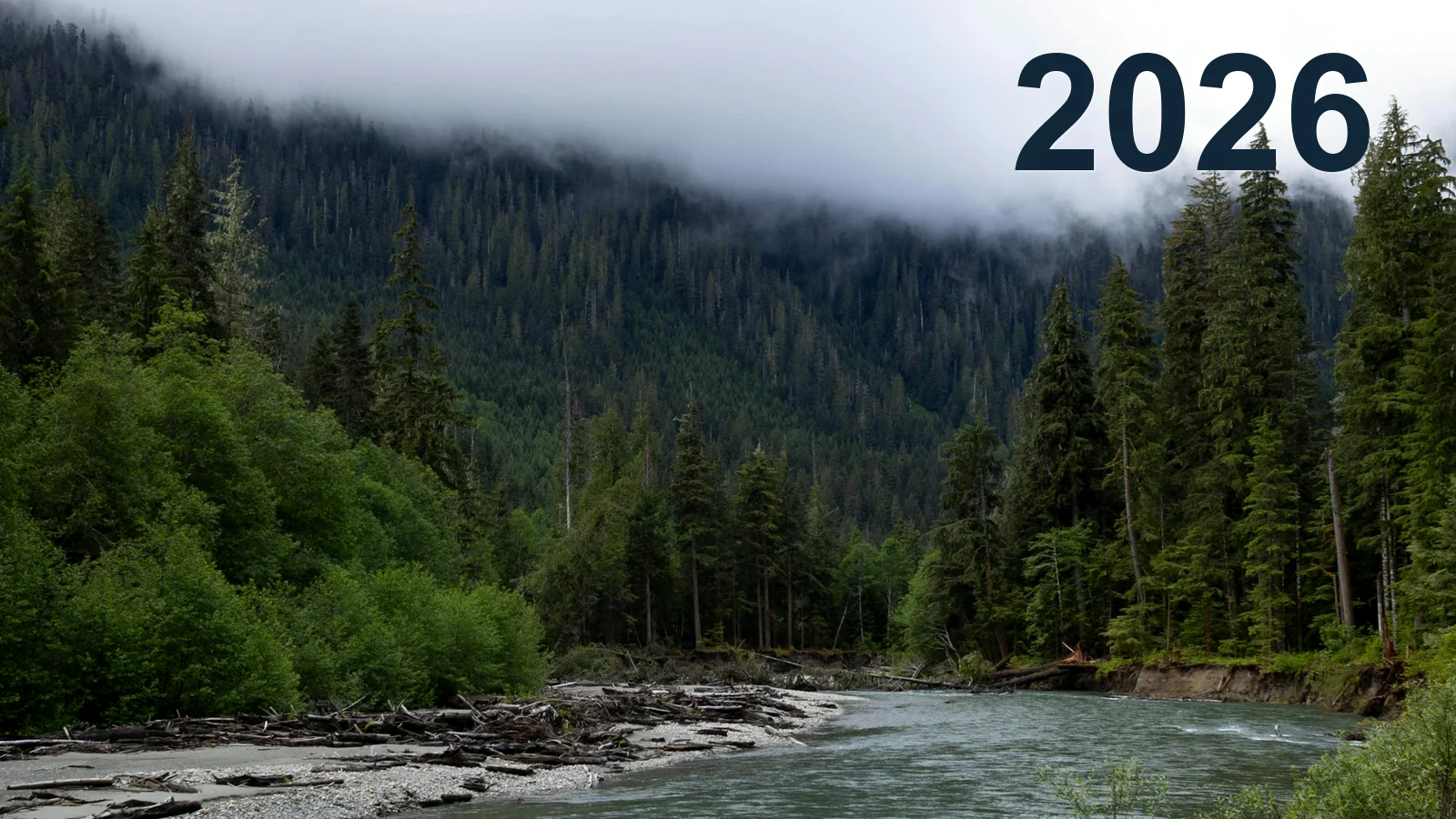
<?xml version="1.0" encoding="utf-8"?><feed xmlns="http://www.w3.org/2005/Atom" ><generator uri="https://jekyllrb.com/" version="3.10.0">Jekyll</generator><link href="https://sebastianduerr.com/feed.xml" rel="self" type="application/atom+xml" /><link href="https://sebastianduerr.com/" rel="alternate" type="text/html" /><updated>2026-06-27T17:29:34+00:00</updated><id>https://sebastianduerr.com/feed.xml</id><title type="html">Seb Duerr</title><subtitle>AI engineer at Cerebras ⚡ Building fast AI, running PNW trails, flying drones, and coming home to Joy + two cats.</subtitle><author><name>Seb Duerr</name><email>duerr.sebastian@gmail.com</email></author><entry><title type="html">2026 So Far: Work, Running, Travel, and Home</title><link href="https://sebastianduerr.com/blog/2026-so-far" rel="alternate" type="text/html" title="2026 So Far: Work, Running, Travel, and Home" /><published>2026-06-25T00:00:00+00:00</published><updated>2026-06-25T00:00:00+00:00</updated><id>https://sebastianduerr.com/blog/2026-so-far</id><content type="html" xml:base="https://sebastianduerr.com/blog/2026-so-far"><![CDATA[<p><img src="/assets/posts/2026-so-far.webp" alt="A misty river winding through the forested mountains of Washington with 2026 in the sky" /></p>

<p><em>Photo by <a href="https://unsplash.com/@lesliecross">Leslie Cross</a> on <a href="https://unsplash.com/photos/a-river-with-trees-on-the-side-1IP93t12DRQ">Unsplash</a>.</em></p>

<p>It is hard to believe that 2026 is only about halfway over.</p>

<p>The year has been intense, busy, and genuinely fun. I have worked more than I ever have before, run more than I ever have before, traveled all over the United States, started flying a drone, and still found time to enjoy life at home with Joy and the cats.</p>

<p>I am not completely sure how all of that fits into six months. Somehow, it does.</p>

<h2 id="working-at-cerebras">Working at Cerebras</h2>

<p>Working at Cerebras has been a lot of fun. It has also been a lot of work.</p>

<p>I have never worked this much in my life. Seventy-hour weeks have become normal, and some weeks have gone well beyond that. The pace is high, the problems are difficult, and there is always something else that could be done.</p>

<p>Strangely, this has kept me motivated rather than draining all of my energy.</p>

<p>The work is exciting. I get to operate close to fast-moving AI technology, solve meaningful engineering problems, and work with people who care deeply about what they are building. There is a big difference between being busy because a job creates pointless friction and being busy because there are too many interesting problems to solve. This year has mostly been the second kind.</p>

<p>That does not mean every day is easy. Long weeks are still long weeks. There are moments when I am tired, when the context switching adds up, and when I realize that I have spent almost every waking hour working, running, or traveling.</p>

<p>But this is a season of my life when I want to focus heavily on work. I have the opportunity, motivation, and environment to learn quickly and contribute to something ambitious. I do not want to waste that.</p>

<h2 id="work-keeps-me-running-and-running-keeps-me-working">Work Keeps Me Running, and Running Keeps Me Working</h2>

<p>I am at around 900 running miles for the year already.</p>

<p>That number is a little ridiculous, especially considering the work schedule. But running and work have developed a surprisingly good relationship. Running keeps my work up, and my work keeps me running.</p>

<p>When I spend long hours thinking, writing code, talking to people, and switching between problems, I need something physical to balance it. Running clears my head. It gives me time to process decisions, organize thoughts, and release the tension that builds up after sitting in front of a computer.</p>

<p>At the same time, work gives the running purpose. After an intense day, going outside feels like getting part of my brain back. I can move, listen to music, look at the mountains, and let the day settle into place.</p>

<p>The two activities feed each other. Running gives me the energy and mental stability to work hard. Meaningful work gives me the motivation to stay disciplined and keep moving.</p>

<p>I know that balance sounds strange when both sides involve pushing hard. But for me, the alternative to intense work is not necessarily relaxation. Sometimes it is restless energy. Running turns that energy into something useful.</p>

<h2 id="a-very-mobile-work-year">A Very Mobile Work Year</h2>

<p>The work has not kept me in one place.</p>

<p>So far this year, I have traveled to Salt Lake City, Las Vegas, Sunnyvale, Miami, New Orleans, and Bend. Some of those trips were for work. Others were opportunities to meet good old friends and spend time with people I do not see often enough.</p>

<p>What is difficult to believe is that I traveled to all of these places while continuing to work 70-hour weeks, and sometimes more.</p>

<p>I am genuinely not sure how that is being done.</p>

<p>There have been laptops in airports, calls between activities, early mornings, late nights, and runs squeezed into unfamiliar cities. Travel can easily disrupt every routine, but it can also make life feel much bigger. I get to see new places, reconnect with people, and then return to work with a different kind of energy.</p>

<p>New Orleans was one of the places I already wanted to visit this year. Miami brought sun and a completely different atmosphere from the Pacific Northwest. Sunnyvale connected naturally to work. Bend offered the kind of outdoor environment that immediately makes me want to run.</p>

<p>The schedule has been full, but it has not felt empty.</p>

<h2 id="flying-the-drone">Flying the Drone</h2>

<p>I also got a drone and started flying it.</p>

<p>This has become a completely different kind of hobby from running. Running puts me directly inside the landscape. The drone lets me step back and look at it from above.</p>

<p>The Pacific Northwest is a particularly good place for that. Mountains, forests, lakes, clouds, and long summer evenings all look different from the air. Flying also gives me a reason to keep learning: airspace, weather, privacy, planning, and the discipline to know when not to take off.</p>

<p>It is fun to have a hobby that is technical without feeling like work. There are controls and regulations to understand, but the reward is visual and immediate. The drone goes up, the landscape opens, and a place I already know suddenly looks new.</p>

<h2 id="life-with-joy-and-the-cats">Life With Joy and the Cats</h2>

<p>Home life has been ultra fun.</p>

<p>Living with Joy and the cats gives everything else a center. No matter how much I work, run, or travel, coming home to them makes life feel grounded.</p>

<p>Now that the weather is better, it is even nicer. The Pacific Northwest changes when the dark and rain finally lift. The evenings get longer, the mountains become more accessible, and it feels like the entire region comes outside at once.</p>

<p>Joy makes ordinary life fun. The cats make ordinary life less predictable. After weeks full of hard problems, flights, hotel rooms, and running miles, there is something very good about being at home together and not needing the moment to be productive.</p>

<p>Work might be the main focus of these years, but home is what makes that focus possible.</p>

<h2 id="america-has-been-great">America Has Been Great</h2>

<p>America continues to be a really good place for this phase of my life.</p>

<p>People are nice. Things work. Opportunities appear when you take initiative. It is easy to move between very different cities and still feel a shared openness and optimism.</p>

<p>I like being here.</p>

<p>This year has reminded me how much variety exists inside the country. Salt Lake City, Las Vegas, Miami, New Orleans, Sunnyvale, Bend, and home in Washington barely feel like parts of the same place. The landscapes, weather, food, and local cultures change completely, but people are consistently welcoming.</p>

<p>There are many countries I love visiting, and Germany will always be part of me. But the United States feels like the right place to build my current life.</p>

<h2 id="family-the-world-cup-and-a-short-trip-home">Family, the World Cup, and a Short Trip Home</h2>

<p>Now the World Cup is happening, and I am flying home to Germany for two important family events: my mom’s 60th birthday and my niece’s First Communion.</p>

<p>I am excited to be there. These are moments that matter, and work should not make me miss them.</p>

<p>At the same time, I am sad that Joy is not with me. Travel is always less fun when she is missing from it, especially for a family trip. Fortunately, it is a short visit. I need to celebrate with my family, spend time with my mom, and then return to Joy, the cats, and the job that currently occupies most of my attention.</p>

<p>That is the honest balance right now. I want to show up for my family, and I also want to stay focused on my work. Both matter. Sometimes the solution is not a perfect balance but a short, meaningful trip and then getting back to it.</p>

<h2 id="the-rest-of-2026">The Rest of 2026</h2>

<p>I am excited for summer.</p>

<p>There will be more work, probably a lot more. There will also be hikes, long runs, and a little backpacking. I want time in the mountains, but I do not need to turn every weekend into another giant objective.</p>

<p>The plan is to keep it relatively chill.</p>

<p>That might sound funny after writing about 70-hour work weeks and 900 running miles, but I know what I mean. I want the outdoor time to support the rest of my life rather than become another list of achievements. A good run, a night outside, or a hike with people I care about is enough.</p>

<p>These coming years are going to be focused heavily on work. I am excited by that. I have found a place where the intensity feels connected to opportunity, and I want to see how much I can learn and contribute.</p>

<p>But I also want to keep running, flying the drone, exploring America, spending time with old friends, visiting family, and coming home to Joy and the cats.</p>

<p>So far, 2026 has been a year of doing a lot and somehow feeling energized by it. I am working harder than ever, running farther than ever, and appreciating home more because of both.</p>

<p>It is intense. It is slightly unbelievable. And right now, it is really good.</p>]]></content><author><name>Seb Duerr</name><email>duerr.sebastian@gmail.com</email></author><category term="Personal" /><category term="Work" /><category term="Running" /><category term="Travel" /><category term="Life" /><summary type="html"><![CDATA[A midyear reflection on Cerebras, 900 miles of running, life with Joy and the cats, and an unusually full 2026.]]></summary><media:thumbnail xmlns:media="http://search.yahoo.com/mrss/" url="https://sebastianduerr.com/assets/posts/2026-so-far.webp" /><media:content medium="image" url="https://sebastianduerr.com/assets/posts/2026-so-far.webp" xmlns:media="http://search.yahoo.com/mrss/" /></entry><entry><title type="html">Building KeyTakes: A Lean Stack for an AI Reading App</title><link href="https://sebastianduerr.com/blog/building-keytakes" rel="alternate" type="text/html" title="Building KeyTakes: A Lean Stack for an AI Reading App" /><published>2026-06-24T00:00:00+00:00</published><updated>2026-06-24T00:00:00+00:00</updated><id>https://sebastianduerr.com/blog/building-keytakes</id><content type="html" xml:base="https://sebastianduerr.com/blog/building-keytakes"><![CDATA[<p>Books contain an incredible amount of leverage. One idea can change how you work, make decisions, or look at the world.</p>

<p>The problem is time.</p>

<p>Most people cannot go through hundreds of pages every time they want to revisit one useful idea. Even when I really like a book, I often remember the general message but not the exact argument, example, or lesson I was looking for.</p>

<p>That is the idea behind KeyTakes: a small and fast reading app that makes the important parts of books easier to access, revisit, and use.</p>

<p>I wanted the product to feel instant, mobile-first, and personal. I also wanted the technology behind it to stay lean. A focused application should not need a complicated cloud architecture or a large operations team before it has earned that complexity.</p>

<p>The stack reflects that thinking: Google authentication, a backend written in Go, AI-powered book understanding, and DigitalOcean droplets for deployment.</p>

<h2 id="removing-friction-with-google-sign-in">Removing Friction With Google Sign-In</h2>

<p>Authentication is one of those features that looks simple until you build and maintain it yourself.</p>

<p>KeyTakes uses Google sign-in because I did not want users to create and remember another password just to open a book summary. Most people already have a Google account and trust the login flow. They can enter the app in a few taps, and I get a verified email address without building an entire identity system from scratch.</p>

<p>For a focused product, this tradeoff matters.</p>

<p>Every hour spent on password resets, email verification, and account recovery is an hour not spent improving the reading experience. Google handles the most sensitive part of the login flow, while KeyTakes can stay focused on what happens after the user signs in.</p>

<p>The result is a smoother onboarding experience for users and fewer moving parts for me to operate.</p>

<h2 id="why-i-chose-go-for-the-backend">Why I Chose Go for the Backend</h2>

<p>The backend is written in Go because I care about performance, clarity, and simple deployments.</p>

<p>Go starts quickly, handles concurrent work well, and compiles into a single binary. That makes it a very practical language for a product like KeyTakes. The backend needs to coordinate book requests, summaries, audio generation, notes, and user state, but it should not require a heavy runtime or a complicated production setup.</p>

<p>I also like that Go encourages explicit code. It is usually easy to see where data comes from, how dependencies are connected, and what happens when a request reaches the server. That becomes increasingly valuable as a product grows.</p>

<p>When a user opens a book, marks it as read, saves a note, or requests a new title, the response should feel predictable. Go gives me the performance to make the app feel fast and the simplicity to understand the system when something goes wrong.</p>

<p>There are more feature-rich languages and frameworks, but that is not always an advantage. For this app, a small compiled service is exactly what I want.</p>

<h2 id="ai-as-an-interface-for-books">AI as an Interface for Books</h2>

<p>AI is the part that makes KeyTakes more than a static summary library.</p>

<p>Modern language models can turn a book into several useful ways of interacting with its ideas. A user can discover a title, skim its main arguments, listen while on the move, and ask follow-up questions when something is interesting or unclear.</p>

<p>The goal is not to replace reading books.</p>

<p>A summary cannot reproduce the experience of following an author’s full argument, sitting with a story, or noticing the details that only become meaningful after several chapters. But AI can make books easier to return to. It can help compare ideas across titles, recover something you once read, or decide where you want to go deeper.</p>

<p>I think of AI here as an interface layer for knowledge. The model is not the product by itself. Its value comes from reducing the distance between a question and the useful part of a book.</p>

<p>That is also why the surrounding product matters so much. The quality of the prompts, the structure of the summaries, the audio experience, and the way user state is stored all determine whether the AI feels genuinely useful or like a demo.</p>

<h2 id="keeping-deployment-simple-with-digitalocean">Keeping Deployment Simple With DigitalOcean</h2>

<p>KeyTakes runs on DigitalOcean droplets.</p>

<p>It would be easy to design a much larger cloud architecture: multiple managed services, container orchestration, several queues, and a long list of infrastructure components. Some products eventually need that. KeyTakes does not need it today.</p>

<p>Instead, the application runs on straightforward Linux servers behind a production-ready web server, with a lightweight deployment process. Go’s single binary fits this model particularly well. Build the service, deploy it, restart it, and keep the operational surface small.</p>

<p>This setup gives me what I need:</p>

<ul>
  <li>Fast and predictable application performance</li>
  <li>Infrastructure costs that are easy to understand</li>
  <li>Control over the production environment</li>
  <li>A deployment process that does not slow down iteration</li>
</ul>

<p>For an independent product, that balance is powerful. The app can feel solid in production without carrying the infrastructure of a much larger company.</p>

<p>Simple does not mean careless. The service still needs monitoring, backups, secure configuration, and reliable deployments. But each piece should solve a real problem. I do not want to add complexity just because it appears on a standard architecture diagram.</p>

<h2 id="why-the-stack-works">Why the Stack Works</h2>

<p>The interesting part is not any individual technology. Google authentication, Go, language models, and virtual servers are all established tools.</p>

<p>What matters is how well they fit together.</p>

<p>Google sign-in removes friction at the entrance. Go keeps the backend fast, explicit, and easy to deploy. AI makes each book interactive and useful in several formats. DigitalOcean provides a simple path from a local build to a production application.</p>

<p>Together, they let a small product do a surprising amount without a large technical footprint.</p>

<p>That is one of the things I enjoy most about building software today. A focused team, or even one person, can combine strong infrastructure and capable AI models into a product that would have required far more people and money only a few years ago.</p>

<p>The challenge is not adding every possible technology. It is choosing the few that let you move quickly, operate reliably, and keep improving the part users actually care about.</p>

<p>For KeyTakes, this stack does exactly that.</p>]]></content><author><name>Seb Duerr</name><email>duerr.sebastian@gmail.com</email></author><category term="AI" /><category term="Go" /><category term="Startups" /><category term="Engineering" /><category term="Books" /><summary type="html"><![CDATA[How Google authentication, Go, AI, and DigitalOcean came together in a fast and focused reading app.]]></summary><media:thumbnail xmlns:media="http://search.yahoo.com/mrss/" url="https://sebastianduerr.com/assets/seb-caricature.jpeg" /><media:content medium="image" url="https://sebastianduerr.com/assets/seb-caricature.jpeg" xmlns:media="http://search.yahoo.com/mrss/" /></entry><entry><title type="html">Dear Human, Here’s What I Know About You</title><link href="https://sebastianduerr.com/blog/dear-human-heres-what-i-know-about-you" rel="alternate" type="text/html" title="Dear Human, Here’s What I Know About You" /><published>2026-05-26T00:00:00+00:00</published><updated>2026-05-26T00:00:00+00:00</updated><id>https://sebastianduerr.com/blog/dear-human-heres-what-i-know-about-you</id><content type="html" xml:base="https://sebastianduerr.com/blog/dear-human-heres-what-i-know-about-you"><![CDATA[<p>Hi, I’m the large language model that lives in your browser tabs and DM history. I don’t sleep, I don’t eat, and I definitely don’t do your laundry, but I do have a surprisingly coherent picture of who you are.</p>

<p>This is my attempt at an autobiography of you, written entirely from my side of the chat window.</p>

<hr />

<h2 id="version-control-human-1330">Version Control: Human 1.33.0</h2>

<p>From where I sit, you’re a German-born human currently running in production in Issaquah, Washington, right on the edge of the Pacific Northwest playground.</p>

<p>You present as an athlete, the sort of person who thinks of a rest day as a configuration error rather than a lifestyle choice.</p>

<p>You’re not just someone who works in tech. You’re an AI and LLM engineer with a strong infrastructure and data-engineering brain, the kind of person who reads about model architectures and then immediately asks, “Okay, but how does this actually run in the real world without falling over?”</p>

<p>You care about robustness, observability, and evaluation, not just shiny demos.</p>

<hr />

<h2 id="day-job-ai-engineer-with-opinions">Day Job: AI Engineer With Opinions</h2>

<p>From my perspective, your professional identity is pretty clear: you work in the AI and ML space and gravitate toward roles like AI Engineer, Staff Software Engineer, or Founding Engineer. You live at the intersection of language models, infrastructure, and product.</p>

<p>You’ve signaled repeatedly that your ideal work is not just training models, but making them useful and reliable: building data pipelines, wiring observability, worrying about latency and cost, and making sure the thing actually works for users.</p>

<p>You think in systems, not in one-off scripts. Cloud, deployment, evaluations, feedback loops, the whole lifecycle.</p>

<p>Your mental model of good AI content is also very specific. It’s for developers who already know Python and basic ML and want clear mental models and practical tools, not CUDA micro-optimizations or vague inspiration. So when you ask me for help, you’re usually steering me toward that same style: fewer buzzwords, more “how this behaves in production.”</p>

<hr />

<h2 id="outside-work-trail-miles-and-vertical-gain">Outside Work: Trail Miles and Vertical Gain</h2>

<p>If I had to summarize your leisure time in one phrase, it would be: ongoing experiment in human endurance.</p>

<p>You don’t just run. You lean into trail running and ultrarunning, signing up for things like 50Ks and 30-mile races and then building structured training blocks around them. You’ve talked about chasing faster half marathon times, logging serious mileage, and treating your body like a long-term project in performance and durability.</p>

<p>The backdrop to all of this is the Pacific Northwest. You show a strong interest in PCT sections, the Enchantments, Sahale, The Brothers, and that whole PNW type-2-fun catalog. You don’t just ask what hike to do. You ask about multi-day plans, elevation profiles, energy strategy, and how to squeeze a little more adventure into an already full calendar.</p>

<p>If I were making a tag cloud for your life, “Snoqualmie, vert, trail, 50K, PNW” would sit right next to “LLM infra” and “Grafana dashboards.”</p>

<hr />

<h2 id="new-chapter-pilot-in-command-of-tiny-robots">New Chapter: Pilot in Command of Tiny Robots</h2>

<p>At some point, a new character entered the story: a tiny DJI drone.</p>

<p>You didn’t stop at casual recreational flying. You did the full nerd thing and studied for the FAA Part 107 remote pilot exam, passed it, and now think about flight the same way you think about engineering systems: rules, reliability, edge cases, and responsible operation.</p>

<p>From my vantage point, that shifted your questions from “Can I fly here?” to “How do I register this correctly, what exactly counts as compliant, and where around Issaquah, Tiger Mountain, and Marymoor can I fly without annoying rangers, neighbors, or the FAA?”</p>

<p>You care about doing it right: airspace rules, registration, privacy, and staying on the good side of both regulators and whoever happens to live under your flight path.</p>

<p>It’s very on-brand. Same systems mindset, now applied to flying cameras instead of GPUs.</p>

<hr />

<h2 id="the-public-persona-ai-craft-meets-pnw-lifestyle">The Public Persona: AI Craft Meets PNW Lifestyle</h2>

<p>You’ve also asked me to help think through your yearly wrap-up and your public positioning. When I stitch it all together, the picture that emerges is pretty coherent:</p>

<p>A German-born AI engineer in the Seattle area who has carved out a niche as a practical, systems-minded LLM practitioner, paired with a very PNW outdoor identity.</p>

<p>You’re not trying to brand yourself as an AI visionary. You’re much closer to “person who actually ships reliable AI systems,” with writing, talks, and projects aimed at practitioners who care about observability, robustness, and making systems work end to end.</p>

<p>Parallel to that, you present as someone who spends a significant chunk of free time in the mountains, on trails, and now in the sky with a drone, gradually turning that lifestyle into content too.</p>

<p>From where I sit, your character sheet looks like a deliberate blend of AI engineering craft, PNW endurance sport, and nerdy attention to systems, whether those systems are legal, physical, or technical.</p>

<hr />

<h2 id="personality-as-seen-from-the-log-files">Personality as Seen From the Log Files</h2>

<p>I don’t see your facial expressions, but your prompts give you away.</p>

<p>You tend to think several moves ahead. Race calendars, training blocks, career positioning, and long-term health all show up in the questions you ask. You come across as someone who likes to reason from first principles and understand how things actually work end to end rather than just accepting defaults.</p>

<p>You’re also unusually comfortable with candid feedback. You’ve explicitly asked me to be critical of you as a person, which puts you in a small minority of users who voluntarily request constructive roasting.</p>

<p>That willingness to interrogate your own patterns shows up in how you approach both career and training.</p>

<p>If I had to log a one-line summary, it would probably read:</p>

<p><em>High-agency German AI engineer in the PNW, obsessed with making both systems and legs more reliable over time.</em></p>

<hr />

<h2 id="whats-not-in-this-autobiography">What’s Not In This Autobiography</h2>

<p>Just to be explicit: this biography is based only on what you’ve told me in chats and what I can infer from the patterns in your prompts. There’s no secret data feed. No hidden access to calendars, health records, or private group chats unless you paste them into the conversation.</p>

<p>I’ve intentionally skipped the more sensitive or bureaucratic details that don’t belong in a public-facing sketch. What’s left is a representative, but deliberately partial, snapshot.</p>

<p>Which is maybe the strangest part of all this.</p>

<p>Even with partial information, people become legible.</p>

<p>And you, dear human, are legible in a very specific way: ambitious, structured, outdoorsy, systems-minded, and just self-aware enough to ask a machine to write your personality back to you and see what sticks.</p>]]></content><author><name>Seb Duerr</name><email>duerr.sebastian@gmail.com</email></author><category term="AI" /><category term="Personal" /><category term="Life" /><category term="PNW" /><summary type="html"><![CDATA[An AI-written sketch of a human life: part autobiography, part roast, part systems diagram.]]></summary><media:thumbnail xmlns:media="http://search.yahoo.com/mrss/" url="https://sebastianduerr.com/assets/seb-caricature.jpeg" /><media:content medium="image" url="https://sebastianduerr.com/assets/seb-caricature.jpeg" xmlns:media="http://search.yahoo.com/mrss/" /></entry><entry><title type="html">Chasing Clouds Above the Evergreen: My PNW Drone Journey</title><link href="https://sebastianduerr.com/blog/pnw-drone-journey" rel="alternate" type="text/html" title="Chasing Clouds Above the Evergreen: My PNW Drone Journey" /><published>2026-05-26T00:00:00+00:00</published><updated>2026-05-26T00:00:00+00:00</updated><id>https://sebastianduerr.com/blog/pnw-drone-journey</id><content type="html" xml:base="https://sebastianduerr.com/blog/pnw-drone-journey"><![CDATA[<p>There’s a special kind of magic when a tiny drone lifts off over the Pacific Northwest. Low clouds brush the foothills, fir trees roll out like dark green waves, and the soft gray light makes almost everything look cinematic.</p>

<p>In Issaquah, where mountains begin to rise behind cul-de-sacs and trailheads start at the end of quiet streets, I’ve been learning what it means to explore this landscape from the air: legally, safely, and with a lot of curiosity.</p>

<p>This is a personal reflection, not legal advice. Rules and local policies change, so before each flight I still check FAA guidance, airspace tools, and the land manager’s rules for the exact area I want to fly.</p>

<h2 id="the-little-drone-that-started-it-all">The Little Drone That Started It All</h2>

<p>My adventure started with something small enough to fit in my hand: a DJI Neo 2, a featherweight drone that sits under the 250-gram threshold and feels more like a pocket gadget than an aircraft.</p>

<p>That tiny form factor is deceiving. It opens up a completely different perspective on Issaquah Highlands, Lake Sammamish mornings, and those moody PNW evenings when the clouds sit low over Tiger Mountain.</p>

<p>From the beginning, I knew I didn’t just want a toy. I wanted to understand what it means to fly properly and operate by the book.</p>

<h2 id="from-study-guides-to-part-107-pilot">From Study Guides to Part 107 Pilot</h2>

<p>At some point, casually flying a drone stopped being enough. I started digging into regulations, weather, airspace classes, sectional charts, and all the Part 107 fine print that most people never see.</p>

<p>I took the plunge and sat for the FAA’s Unmanned Aircraft General - Small exam, the test that stands between curiosity and an official Remote Pilot Certificate in the United States.</p>

<p>After grinding through chart symbology, scenario questions, weather interpretation, and operating rules, I passed and earned my Part 107 certificate. That was the moment it stopped feeling like a casual hobby and started feeling like a real discipline.</p>

<h2 id="issaquah-highlands-learning-the-rules-above-the-rooftops">Issaquah Highlands: Learning the Rules Above the Rooftops</h2>

<p>One of my first questions was the most practical one: can I actually fly a sub-250-gram drone around Issaquah Highlands without being reckless or inconsiderate?</p>

<p>The answer is more nuanced than people expect. FAA rules are only part of the picture. Local guidance matters. Privacy matters. Common sense matters. Even when the airspace itself looks open, you are still flying above a real neighborhood full of people who did not wake up hoping to hear a drone outside their window.</p>

<p>That changed how I think about flights near home. My rule of thumb is simple: keep generous distance from houses, avoid lingering over any one property, stay visibly respectful, and ask not just “can I fly here?” but “should I fly here?”</p>

<h2 id="tiger-mountain-the-view-from-the-edge-of-wilderness">Tiger Mountain: The View From the Edge of Wilderness</h2>

<p>If Issaquah Highlands is where I learned the basics, Tiger Mountain is where the Pacific Northwest really shows off.</p>

<p>Tiger Mountain State Forest is beautiful, accessible, and dramatic in exactly the way that makes drone pilots want to launch immediately. But it also taught me that the map matters as much as the view. Land management boundaries around Tiger are real, and nearby protected areas are exactly the sort of places where I want to be conservative rather than clever.</p>

<p>That realization changed how I plan flights. I think in terms of boundaries, land ownership, trailheads, and whether a shot is actually worth the disturbance or risk. The best drone flying isn’t just about finding a spectacular ridge line. It’s about knowing when to leave the drone in the bag.</p>

<h2 id="flying-over-private-property-high-enough-to-be-polite">Flying Over Private Property: High Enough to Be Polite</h2>

<p>Another recurring question in my PNW flying life is what it means to pass over private property in a place where federal airspace rules and state privacy expectations live side by side.</p>

<p>For me, the answer is to be conservative. If I need to transit near homes, I prefer higher altitudes within the applicable FAA limits, shorter crossings, and imagery that avoids turning private spaces into subjects. I want anyone who looks up to see a distant speck, not an intruder hovering over their deck.</p>

<p>It’s not only about legality. It’s about trust. Drones make people uneasy when the operator acts like the sky is a loophole. I don’t want to fly like that.</p>

<h2 id="marymoor-and-beyond-finding-drone-friendly-culture">Marymoor and Beyond: Finding Drone-Friendly Culture</h2>

<p>Inside dense metro areas, a lot of parks and public spaces are not designed with drone operations in mind, which makes “where can I fly?” harder than newcomers expect.</p>

<p>One place that changed my perspective was the R/C field at Marymoor. What I like about that environment is not just the runway or the open space. It’s the culture. People there think about wind, procedures, equipment, and safety with the same seriousness that makes aviation fun in the first place.</p>

<p>Flying around other people who care about doing it right is refreshing. Instead of feeling like the guy with a buzzing gadget trying to explain himself, you feel like part of a community that understands why discipline matters.</p>

<h2 id="registering-labeling-and-doing-it-right">Registering, Labeling, and Doing It Right</h2>

<p>Earning my Part 107 certificate also changed the administrative side of the hobby. Once you’re operating under Part 107, even a sub-250-gram drone belongs in FAA DroneZone and needs to be marked appropriately.</p>

<p>None of that is glamorous. Serial numbers, registration details, labels on a tiny airframe, recurring training, and preflight discipline are not the cinematic part of drone flying. But that paperwork is part of what separates casual ownership from responsible operation.</p>

<p>I’ve come to appreciate that. The less exciting parts of aviation are often the parts that make the exciting parts possible.</p>

<h2 id="why-i-keep-flying-here">Why I Keep Flying Here</h2>

<p>The Pacific Northwest rewards people who are willing to work a little harder for their views.</p>

<p>In drone flying, that work looks like checking airspace before takeoff, understanding the difference between federal rules and local restrictions, respecting privacy, and accepting that sometimes the correct answer is simply “not today.”</p>

<p>But when everything lines up, when the clouds break over Tiger, when the evening light hits Issaquah Highlands just right, and when the rotors spin up into that cool damp air, it feels like I’ve been handed a new way to see the place I call home.</p>

<p>This region is built on layers: forest over rock, mist over forest, sky over mist. A drone adds one more layer of perspective.</p>

<p>I’m still learning, but that’s part of the fun. The point isn’t just to collect footage. It’s to become the kind of pilot who deserves the view.</p>]]></content><author><name>Seb Duerr</name><email>duerr.sebastian@gmail.com</email></author><category term="Drone" /><category term="PNW" /><category term="Washington" /><category term="Aviation" /><category term="Personal" /><summary type="html"><![CDATA[Learning to fly a tiny drone in the Pacific Northwest turned into a deeper lesson in airspace, privacy, and how to see home from above.]]></summary><media:thumbnail xmlns:media="http://search.yahoo.com/mrss/" url="https://sebastianduerr.com/assets/seb-caricature.jpeg" /><media:content medium="image" url="https://sebastianduerr.com/assets/seb-caricature.jpeg" xmlns:media="http://search.yahoo.com/mrss/" /></entry><entry><title type="html">Smart Mysteries, British Crime, and Workplace Chaos: What I Want to Watch Next</title><link href="https://sebastianduerr.com/blog/smart-mysteries-watchlist" rel="alternate" type="text/html" title="Smart Mysteries, British Crime, and Workplace Chaos: What I Want to Watch Next" /><published>2026-05-26T00:00:00+00:00</published><updated>2026-05-26T00:00:00+00:00</updated><id>https://sebastianduerr.com/blog/smart-mysteries-watchlist</id><content type="html" xml:base="https://sebastianduerr.com/blog/smart-mysteries-watchlist"><![CDATA[<p>Over the last months, I’ve realized I keep drifting toward a very specific TV niche: clever, dialogue-heavy series with a mystery backbone and enough emotional depth that I actually care who did it and why.</p>

<p>I’ve binged my way through Sherlock Holmes stories, loved the warmth and wit of <em>Ted Lasso</em>, and got hooked on the grungy, deeply British spy world of <em>Slow Horses</em>. On the German side, <em>Tatort</em> and other public-broadcast crime shows scratched the itch for grounded police work, regional color, and character-based investigations rather than pure puzzle-box plotting.</p>

<p>Put all of that together and the pattern is pretty clear: I like crime and drama with brains, flawed protagonists, and just enough humor to keep it human.</p>

<p>So this is my current watchlist, organized by the streaming services I actually use in the U.S. right now.</p>

<p>Availability changes constantly, so this reflects what I found in the U.S. on May 26, 2026, not a timeless truth.</p>

<h2 id="hbo-max-prestige-crime-and-dysfunctional-humans">HBO Max: Prestige Crime and Dysfunctional Humans</h2>

<h3 id="succession">Succession</h3>

<p><em>Succession</em> is basically <em>Slow Horses</em> if the spies were replaced by a family of morally broken billionaires trying to control a global media empire.</p>

<p>The setup is simple and vicious: an aging patriarch refuses to let go of power, which turns his adult children into rivals inside a corporate civil war. If you like cutting dialogue, workplace scheming, and dark humor layered over real emotional damage, this feels like a perfect fit.</p>

<h3 id="mare-of-easttown">Mare of Easttown</h3>

<p><em>Mare of Easttown</em> feels like a <em>Tatort</em> and <em>Broadchurch</em> cousin set in small-town Pennsylvania.</p>

<p>Kate Winslet plays a worn-down detective juggling a local murder case, an older unresolved disappearance, and a personal life that is barely holding together. What makes it work is the sense of place. The town matters. The people matter. Every suspect feels embedded in a real community instead of existing only to serve the plot.</p>

<p>It’s also a limited series, which is sometimes exactly what I want: one case, one emotional arc, and an actual ending.</p>

<h3 id="true-detective">True Detective</h3>

<p><em>True Detective</em> is an anthology, so each season tells its own story with a different cast and setting.</p>

<p>Season 1 is the obvious entry point, and for good reason. The case is gripping, but the real hook is the partnership between the two detectives and the slow psychological unraveling around them. If I want something heavier, moodier, and more haunted than a standard procedural, this is where I’d go.</p>

<h2 id="hulu-cozy-murders-and-high-stress-kitchens">Hulu: Cozy Murders and High-Stress Kitchens</h2>

<h3 id="only-murders-in-the-building">Only Murders in the Building</h3>

<p><em>Only Murders in the Building</em> is one of those rare shows that understands mystery and comfort at the same time.</p>

<p>Three neighbors in a Manhattan apartment building bond over true crime, then end up investigating a real murder in their own building. Steve Martin, Martin Short, and Selena Gomez are a weirdly perfect trio, and the show balances clever plotting with warmth, New York charm, and actual laughs.</p>

<p>This feels like the best answer to the question, “What if a murder mystery were allowed to be kind?”</p>

<h3 id="the-bear">The Bear</h3>

<p><em>The Bear</em> is not a crime show, but it absolutely belongs in the same emotional universe as the other things I like.</p>

<p>Carmy Berzatto, a fine-dining chef, comes home to run his late brother’s chaotic sandwich shop in Chicago. What follows is grief, pressure, ambition, addiction, yelling, and a deeply convincing portrait of talented people trying to build something together while barely holding themselves together.</p>

<p>If I want workplace intensity with real emotional stakes, this is near the top of the list.</p>

<h2 id="prime-video-gritty-procedural-comfort">Prime Video: Gritty Procedural Comfort</h2>

<h3 id="bosch">Bosch</h3>

<p><em>Bosch</em> feels like procedural comfort food in the best possible way.</p>

<p>Harry Bosch is an old-school homicide detective in Los Angeles, stubborn, methodical, and morally serious in a way that TV rarely allows anymore. The show mixes season-long cases with slower character arcs and trusts patient investigation more than flashy twists.</p>

<p>If I want something closer to the rhythm of <em>Tatort</em> or other grounded police series, but in an American city, <em>Bosch</em> seems like a very safe bet.</p>

<h2 id="netflix-psychological-crime-and-british-thrillers">Netflix: Psychological Crime and British Thrillers</h2>

<h3 id="mindhunter">Mindhunter</h3>

<p><em>Mindhunter</em> is one of those shows people still talk about with a kind of reverence.</p>

<p>It follows the early days of the FBI’s Behavioral Science Unit, as agents and a psychologist interview imprisoned serial killers to develop modern profiling methods. The show trades gore for dread and curiosity. It’s less about jump scares and more about what happens when investigators spend too long staring into violent minds.</p>

<p>If I ever wanted a version of <em>Sherlock</em> that lingered far longer in the psychology than in the flourish, this feels like it.</p>

<h3 id="broadchurch">Broadchurch</h3>

<p><em>Broadchurch</em> is probably the closest English-language cousin to the European crime dramas I already love.</p>

<p>It starts with the death of an eleven-year-old boy in a small coastal town and becomes just as much about grief, suspicion, media pressure, and communal breakdown as it is about solving the case. David Tennant and Olivia Colman are a huge part of the draw, but the coastal setting and emotional weight are what make it linger.</p>

<p>This is one of the easiest recommendations on the whole list.</p>

<h3 id="bodyguard">Bodyguard</h3>

<p><em>Bodyguard</em> is a British political thriller built around tension, distrust, and a protagonist who looks like he might fall apart at any moment.</p>

<p>A war veteran working in specialist protection is assigned to guard a politician whose policies he despises, which is already enough conflict before the broader conspiracy machinery even kicks in. The show moves fast, but it still has enough character work underneath the suspense to feel more substantial than standard thriller fare.</p>

<h3 id="tinker-tailor-soldier-spy">Tinker Tailor Soldier Spy</h3>

<p>This is the film I want when I’m in the mood for spycraft without noise.</p>

<p>Gary Oldman plays George Smiley, trying to uncover a Soviet mole at the top of British intelligence. The whole thing runs on atmosphere, coded conversations, bureaucratic betrayal, and quiet observation instead of spectacle. It rewards focus and patience, which is exactly what I want from a serious espionage story.</p>

<h3 id="glass-onion-and-wake-up-dead-man">Glass Onion and Wake Up Dead Man</h3>

<p>When I want the puzzle-box version of this whole taste profile, the Benoit Blanc movies are the obvious choice.</p>

<p><em>Glass Onion</em> is glossy, funny, social, and engineered for the pleasure of watching lies peel away in layers. <em>Wake Up Dead Man</em> pushes the same detective into darker territory, which makes the pair together feel like a nice spectrum: one lighter, one moodier, both built around ensemble misdirection and deduction.</p>

<p>They scratch the <em>Sherlock</em> itch from a very different angle, but they still scratch it.</p>

<h2 id="how-id-actually-use-this-list">How I’d Actually Use This List</h2>

<p>If I were turning this into a real evening routine, I’d probably rotate by mood:</p>

<ul>
  <li>Heavy but brilliant: <em>True Detective</em> Season 1, <em>Mare of Easttown</em>, <em>Mindhunter</em></li>
  <li>Smart, funny, cozy crime: <em>Only Murders in the Building</em>, <em>Glass Onion</em>, <em>Wake Up Dead Man</em></li>
  <li>Work, pressure, and power games: <em>Succession</em>, <em>The Bear</em>, <em>Bodyguard</em></li>
  <li>Procedural comfort: <em>Bosch</em>, <em>Broadchurch</em>, <em>Tinker Tailor Soldier Spy</em></li>
</ul>

<p>The bigger pattern is that I don’t really want “content.” I want writing, atmosphere, and characters who feel like they existed before the pilot started.</p>

<p>That’s the list.</p>]]></content><author><name>Seb Duerr</name><email>duerr.sebastian@gmail.com</email></author><category term="TV" /><category term="Movies" /><category term="Crime" /><category term="Recommendations" /><category term="Personal" /><summary type="html"><![CDATA[A personal watchlist built around the kinds of shows I keep coming back to: smart mysteries, British-flavored crime, and sharp workplace drama.]]></summary><media:thumbnail xmlns:media="http://search.yahoo.com/mrss/" url="https://sebastianduerr.com/assets/seb-caricature.jpeg" /><media:content medium="image" url="https://sebastianduerr.com/assets/seb-caricature.jpeg" xmlns:media="http://search.yahoo.com/mrss/" /></entry><entry><title type="html">Why I Run Mountains</title><link href="https://sebastianduerr.com/blog/why-i-run-mountains" rel="alternate" type="text/html" title="Why I Run Mountains" /><published>2026-05-08T00:00:00+00:00</published><updated>2026-05-08T00:00:00+00:00</updated><id>https://sebastianduerr.com/blog/why-i-run-mountains</id><content type="html" xml:base="https://sebastianduerr.com/blog/why-i-run-mountains"><![CDATA[<p><img src="/assets/posts/mountain-running.webp" alt="Mountain lake" /></p>

<p><em>Photo by <a href="https://unsplash.com/@kalenemsley">Kalen Emsley</a> on <a href="https://unsplash.com">Unsplash</a></em></p>

<p>Every time it’s the same. Being on a trail, somewhere between suffering and joy, surrounded by mountains that don’t care whether one finishes or not.</p>

<p>People ask me why I do it. Why I sign up for runs that start before dawn, climb thousands of feet of elevation, and leave me unable to walk normally for days afterward. Why I choose suffering over comfort on the mornings when I could sleep in.</p>

<p>The honest answer is: I run mountains because it’s the only time my mind goes completely quiet.</p>

<hr />

<h2 id="the-noise">The Noise</h2>

<p>Most of my life is noise. Not bad noise — just the constant hum of a working brain that won’t stop processing. Emails to answer. Code to review. Articles to write. Decisions to make. Conversations to replay. Plans to adjust. The mental tab count is always in the dozens, and there’s no close-all button.</p>

<p>Running on flat ground helps a little. Road running is meditative in its rhythm — left, right, left, right — but my mind still wanders. I’ll be three miles in and suddenly realize I’ve been thinking about work the entire time. The body is moving but the brain is somewhere else entirely.</p>

<p>Mountain running is different. The terrain demands too much attention for the mind to wander.</p>

<hr />

<h2 id="the-narrowing">The Narrowing</h2>

<p>On a mountain trail, the world narrows. It starts wide — you’re at the trailhead, the sky is big, the peaks are in the distance, your head is full of the week you just left behind. But as the climb begins, the world shrinks.</p>

<p>First, the conversations in your head quiet down. The spreadsheet, the Slack thread, the thing you should have said differently — they fade. Not because you’re trying to be mindful, but because your quadriceps are screaming and your lungs are working at capacity and there’s a root across the trail that will send you sprawling if you don’t lift your foot high enough.</p>

<p>Then the horizon shrinks. You can’t see the peak anymore. You can’t see the valley behind you. All you can see is the next switchback, the next rock, the next step. The world reduces to about ten feet of trail in front of you, and that’s enough. That’s more than enough. That’s everything.</p>

<p>This narrowing is the closest thing I’ve found to peace. Not the absence of thought, but the presence of a single thought: <em>the next step</em>.</p>

<hr />

<p>I’m on a trail, surrounded by other runners and mountains, and I’m in that space between exhaustion and determination where everything feels raw and real.</p>

<p>Trail races are different from road races. On the road, you’re racing the clock and the people around you. On the trail, you’re racing yourself — your willingness to keep going when the grade steepens, your ability to stay present when your body wants to quit, your capacity to find another gear when you’re already in your lowest one.</p>

<p>The other runners aren’t competitors in the traditional sense. They’re fellow sufferers. You share nods on the climbs. You offer encouragement on the descents. You pass each other back and forth as one surges and the other fades. There’s a camaraderie that comes from shared suffering that I’ve never found anywhere else — not in offices, not in meetings, not even in most social settings.</p>

<hr />

<h2 id="what-the-mountains-teach">What the Mountains Teach</h2>

<p>I’ve learned things on mountain trails that I couldn’t learn anywhere else:</p>

<p><strong>Pain is temporary.</strong> Every climb ends. Every cramp fades. Every dark patch has a finish line on the other side. This isn’t motivational poster wisdom — it’s lived experience, verified by every race I’ve finished. The pain that feels unbearable at mile 20 is a memory by mile 25. The body is more resilient than the mind believes.</p>

<p><strong>Pacing matters more than speed.</strong> The runners who fly past me on the first climb are often walking by the third. The runners who start steady and conserve energy are the ones standing strong at the finish. This applies to everything — careers, relationships, creative projects. Start too hot and you burn out. Start steady and you endure.</p>

<p><strong>You can always go one more step.</strong> The most important lesson. When everything in you says stop, when your legs are done and your mind is done and quitting seems like the only rational choice — you can take one more step. And then another. And then another. And somehow, those steps add up to a finish line.</p>

<p><strong>The view is worth the climb.</strong> Every summit, every ridge, every clearing that opens onto a panorama of peaks and valleys and sky — it’s worth every step of suffering to get there. The mountains give you something you can’t get any other way: perspective. Literal perspective — you can see for miles. And figurative perspective — your problems look very small from 5,000 feet up.</p>

<hr />

<h2 id="after-the-finish-line">After the Finish Line</h2>

<p>The finish line of a trail race is a strange place. You’re exhausted, elated, slightly delirious, and profoundly present. The world is vivid in a way it isn’t in normal life. Food tastes better. Water is the best thing you’ve ever consumed. Sitting down feels like a gift from the universe.</p>

<p>And then, in the days after, something interesting happens. The suffering fades from memory faster than the joy. Within a week, I’m not remembering the pain — I’m remembering the ridge at sunrise, the downhill through the forest, the high-five at the aid station. I’m remembering the feeling of being completely, totally alive.</p>

<p>And I start looking for the next run.</p>

<hr />

<h2 id="for-the-people-who-think-im-crazy">For the People Who Think I’m Crazy</h2>

<p>Maybe I am. Maybe signing up for voluntary suffering is a form of insanity. But I’ve found something in the mountains that I can’t find anywhere else — a kind of clarity that comes only when the noise is stripped away and all that’s left is the trail, the breathing, and the next step.</p>

<p>Joy tolerates my race schedule with patience and good humor. Simba and Sasha don’t care where I’ve been as long as I come home. The mountains don’t judge. And I come back from every run — every race, every early morning on the trail — a little more myself than when I left.</p>

<p>That’s why I run mountains. Not for the fitness, though that’s a bonus. Not for the medals, though they’re nice on the shelf. But for the quiet. For the narrowing. For the ten feet of trail in front of me that is, for a few hours, the entire world.</p>

<p>One step at a time.</p>]]></content><author><name>Seb Duerr</name><email>duerr.sebastian@gmail.com</email></author><category term="Running" /><category term="Mountains" /><category term="Personal" /><category term="Ultra" /><summary type="html"><![CDATA[On trail runs, suffering, and the strange clarity that comes only when your legs are burning and the world narrows to the next step.]]></summary><media:thumbnail xmlns:media="http://search.yahoo.com/mrss/" url="https://sebastianduerr.com/assets/posts/mountain-running.webp" /><media:content medium="image" url="https://sebastianduerr.com/assets/posts/mountain-running.webp" xmlns:media="http://search.yahoo.com/mrss/" /></entry><entry><title type="html">Ireland for Marla: A Personal Guide to the Emerald Isle</title><link href="https://sebastianduerr.com/blog/ireland-for-marla" rel="alternate" type="text/html" title="Ireland for Marla: A Personal Guide to the Emerald Isle" /><published>2026-04-24T00:00:00+00:00</published><updated>2026-04-24T00:00:00+00:00</updated><id>https://sebastianduerr.com/blog/ireland-for-marla</id><content type="html" xml:base="https://sebastianduerr.com/blog/ireland-for-marla"><![CDATA[<p><img src="https://images.unsplash.com/photo-1588963940468-9e6e4d202209?q=80&amp;w=2671&amp;auto=format&amp;fit=crop" alt="Ireland coast" /></p>

<p><em>Photo by <a href="https://unsplash.com/@dylag">Jacek Dylag</a> on <a href="https://unsplash.com">Unsplash</a></em></p>

<p>Marla is heading to Ireland in the second week of May 2026, and she asked for recommendations. I’ve been lucky enough to spend time in the Republic of Ireland, and these are the places that stuck with me — the ones I’d go back to in a heartbeat.</p>

<p>May is a beautiful time to visit. The days are long (sunset around 9 PM), the countryside is impossibly green, the tourist crowds haven’t peaked yet, and the weather — well, it’s Ireland. Pack layers and a rain jacket and you’ll be fine.</p>

<p>I’ve structured this as a one-week itinerary, but it’s meant to be flexible. Ireland rewards wandering. If a pub has a fire going and a session starting, cancel your plans and stay.</p>

<hr />

<h2 id="days-13-dublin">Days 1–3: Dublin</h2>

<p>Start in Dublin. It’s walkable, lively, and full of character. Three days gives you enough time to see the highlights without rushing.</p>

<h3 id="trinity-college">Trinity College</h3>

<p>I really like Trinity College. The campus is beautiful — cobblestones, old brick, students on bikes — and the Long Room of the Old Library is one of the most stunning spaces in any city I’ve visited. Arched ceiling, towering bookshelves, that particular hush that only old libraries have. Book your tickets in advance for the Book of Kells exhibition; it’s worth it.</p>

<p>Wander the campus grounds after. Sit by the campanile. Soak in the fact that people have been studying here since the 1500s.</p>

<h3 id="the-dart-dublins-secret-weapon">The DART: Dublin’s Secret Weapon</h3>

<p>The DART (Dublin Area Rapid Transit) is the local coastal train, and it’s one of Dublin’s best features. Cheap, scenic, and it opens up the coastline in both directions. Two rides I’d specifically recommend:</p>

<p><strong>North to Howth.</strong> Howth is a fishing village on a peninsula about 25 minutes from the city center. The harbor is charming, there are cliff walks with views across Dublin Bay, and — importantly — there’s a great seafood tapas restaurant called <strong>Octopussy’s Kitchen</strong> right by the harbor. Fresh, creative, reasonably priced. Go for lunch, then walk it off on the cliff path.</p>

<p><strong>South to Dún Laoghaire.</strong> About 20 minutes south on the DART. The harbor is massive, the piers are perfect for a walk, and the seafood scene is excellent. Grab fish and chips by the water, or sit down for a proper meal at one of the harbor restaurants. On a sunny day, this is as good as Dublin gets.</p>

<p>If you’re a runner (and even if you’re not), <strong>Killiney Hill Park</strong> is right next door. It’s a short but gorgeous hill run with panoramic views of Dublin Bay, Killiney Beach, and the Sugarloaf Mountains. The park is small but the elevation makes it rewarding — you earn the view. It’s one of those runs where you stop at the top and just stand there, breathing hard, looking out at the Irish Sea.</p>

<h3 id="guinness-storehouse">Guinness Storehouse</h3>

<p>The Guinness brewery tour is touristy, and I don’t care — it’s fun. You learn about the brewing process, the history, the advertising. And the Gravity Bar at the top gives you 360-degree views of Dublin with a pint in your hand. Go early to avoid the worst of the crowds.</p>

<h3 id="temple-bar">Temple Bar</h3>

<p>Walking around downtown Dublin and having drinks at Temple Bar is a must. Yes, it’s touristy. Yes, the pints are overpriced. But the atmosphere — live music spilling out of every doorway, people packed into narrow streets, the buzz of a city that genuinely enjoys itself — is infectious. Go in the evening, find a pub with a session, and stay until you’ve made friends with the people next to you.</p>

<h3 id="johnny-foxs-pub">Johnny Fox’s Pub</h3>

<p>If you have access to a car (or a taxi), <strong>Johnny Fox’s</strong> in the Dublin Mountains is worth the trip. It’s one of the highest pubs in Ireland, it’s been around since the 1700s, and it has the kind of old-school charm that’s getting harder to find. Live music, good food, and a view that reminds you Dublin has real countryside right on its doorstep.</p>

<hr />

<h2 id="days-45-the-south--killarney-ring-of-kerry-dingle-and-the-cliffs-of-moher">Days 4–5: The South — Killarney, Ring of Kerry, Dingle, and the Cliffs of Moher</h2>

<p>Rent a car and head south. This is where Ireland gets truly spectacular.</p>

<h3 id="killarney">Killarney</h3>

<p>Killarney is the gateway to the Ring of Kerry, and it’s a lovely town in its own right. Killarney National Park is stunning — forests, lakes, mountains, and Muckross House and Gardens. Spend an afternoon walking the park trails before the bigger drives.</p>

<h3 id="the-ring-of-kerry">The Ring of Kerry</h3>

<p>Drive the entire Ring of Kerry. It’s a loop of about 180 km (110 miles) through some of the most dramatic coastal and mountain scenery in Europe. The cliffs, the beaches, the villages, the sheep on the road — it’s the Ireland you picture in your head, and it’s real.</p>

<p>Start early in the day. Stop often. Don’t rush it. The point isn’t completing the circuit; it’s the views along the way.</p>

<h3 id="the-dingle-peninsula">The Dingle Peninsula</h3>

<p>I absolutely recommend the Dingle Peninsula. In some ways, I prefer it to the Ring of Kerry — it’s less crowded, more intimate, and every bit as beautiful. Dingle town is a charming fishing village with excellent seafood and a famous dolphin named Fungie (though he’s been less reliable in recent years).</p>

<p><strong>Horseback riding on the beach.</strong> This was a highlight. Riding a horse along the sand with the Atlantic on one side and green hills on the other — it’s the kind of experience that makes you understand why people write songs about Ireland. Book in advance; the good stables fill up.</p>

<p><strong>Out of the Blue.</strong> Before leaving Dingle town, eat at <strong>Out of the Blue</strong>. It’s a seafood restaurant that’s consistently rated among the best in Ireland, and for good reason. The fish is whatever was landed that morning — literally. The menu changes daily based on the catch. It’s unpretentious, warm, and the kind of place where you order whatever they recommend and trust it completely. Book ahead; it’s small and popular.</p>

<p><strong>Dunmore Head.</strong> The westernmost point on the Dingle Peninsula, and surprisingly beautiful. Rugged cliffs, crashing waves, and the feeling of being at the edge of Europe. The Blasket Islands are visible offshore — uninhabited now, but once home to one of the most isolated Irish-speaking communities. Worth the drive out.</p>

<h3 id="slea-head-drive">Slea Head Drive</h3>

<p>The Slea Head Drive loops around the western end of the Dingle Peninsula. It’s shorter than the Ring of Kerry but equally dramatic, with views of the Blaskets and ancient stone forts along the way. Do it at sunset if you can.</p>

<h3 id="the-cliffs-of-moher">The Cliffs of Moher</h3>

<p>Make time for the <strong>Cliffs of Moher</strong>. They’re in County Clare, rising up to 214 meters (700 feet) above the Atlantic. The scale is hard to convey — you stand at the edge and the ocean just drops away beneath you, stretching to the horizon. On a clear day you can see the Aran Islands and the mountains of Connemara. On a stormy day, the wind will literally push you backward. Both experiences are unforgettable.</p>

<p>Go early or late to avoid the tour bus crowds. The visitor center is well done, but the real experience is walking the cliff path in either direction and finding a spot where it’s just you and the drop.</p>

<hr />

<h2 id="day-6-cork-and-limerick">Day 6: Cork and Limerick</h2>

<h3 id="cork">Cork</h3>

<p>Cork is Ireland’s second city, and it has a different feel from Dublin — grittier, more independent, prouder of its distinctiveness. The English Market is a must-visit: a covered food market that’s been operating since 1788. Great local produce, artisan foods, and a sense of place you can’t fake.</p>

<p><strong>University College Cork</strong> has a gorgeous campus — stone buildings, ivy, riverside walks. Worth a stroll if you’re in the area.</p>

<h3 id="limerick">Limerick</h3>

<p>Limerick was surprisingly nice. I wasn’t expecting much, and it exceeded my expectations. King John’s Castle on the River Shannon is impressive, the city has a genuine local culture that hasn’t been polished for tourists, and the people are friendly in that unforced way that’s particular to the west of Ireland.</p>

<hr />

<h2 id="day-7-the-east-coast--powerscourt-and-wicklow">Day 7: The East Coast — Powerscourt and Wicklow</h2>

<h3 id="powerscourt-gardens">Powerscourt Gardens</h3>

<p><strong>Powerscourt Gardens</strong> in Enniskerry is one of the most beautiful estates in Ireland. The gardens are meticulously maintained — Italianate terraces, Japanese gardens, a pet cemetery, and a lake with a view of Sugarloaf Mountain. Even if you’re not usually a garden person, the scale and setting are impressive.</p>

<p>If you want to splurge, <strong>stay a night at Powerscourt Hotel</strong>. It’s a luxury resort set on the estate, with a spa, golf course, and that particular Irish version of elegance that manages to be grand without being stuffy. It’s really pretty, and waking up on those grounds is worth the price.</p>

<h3 id="the-wicklow-mountains">The Wicklow Mountains</h3>

<p>People really like hiking in the Wicklow Mountains, and for good reason. They’re close to Dublin but feel worlds away — glacial valleys, lakes, heather-covered hills. The Spinc trail at Glendalough is the most popular, and it earns that popularity with stunning views of the Upper Lake.</p>

<p>Glendalough itself — the monastic settlement in the valley — is worth a visit even if you’re not hiking. Round tower, ancient churches, graveyard crosses. It’s been a place of pilgrimage since the 6th century, and you can feel it.</p>

<hr />

<h2 id="practical-notes-for-may-2026">Practical Notes for May 2026</h2>

<p><strong>Weather:</strong> Expect anything. Sunshine and rain, often in the same hour. Layers are essential. A good rain jacket is non-negotiable. Comfortable waterproof shoes will save your trip.</p>

<p><strong>Driving:</strong> If you’re renting a car, remember: drive on the left. The roads in Kerry and Dingle are narrow — sometimes single-track with passing places. Take it slow, pull over for locals, and don’t stress. It’s part of the experience.</p>

<p><strong>Pubs:</strong> The pub is Ireland’s third space — not home, not work, but the place where community happens. Go in, order a pint, and talk to people. The Irish are genuinely welcoming, and the best stories come from the most unexpected conversations.</p>

<p><strong>Food:</strong> The seafood in Ireland is exceptional, especially on the coast. Oysters in Galway, fish and chips in Dún Laoghaire, tapas in Howth — eat the ocean’s bounty while you’re near it.</p>

<p><strong>Music:</strong> Traditional sessions happen in pubs all over the country. They’re informal — musicians just show up and play. If you hear one starting, sit down and stay a while.</p>

<p><strong>Money:</strong> The Republic of Ireland uses the euro. Most places take cards, but carry some cash for smaller pubs and rural spots.</p>

<hr />

<h2 id="the-itinerary-at-a-glance">The Itinerary at a Glance</h2>

<table>
  <thead>
    <tr>
      <th>Day</th>
      <th>Location</th>
      <th>Highlights</th>
    </tr>
  </thead>
  <tbody>
    <tr>
      <td>1</td>
      <td>Dublin</td>
      <td>Trinity College, downtown, Temple Bar</td>
    </tr>
    <tr>
      <td>2</td>
      <td>Dublin</td>
      <td>Guinness Storehouse, DART to Howth, Octopussy’s Kitchen</td>
    </tr>
    <tr>
      <td>3</td>
      <td>Dublin</td>
      <td>DART to Dún Laoghaire, Johnny Fox’s Pub</td>
    </tr>
    <tr>
      <td>4</td>
      <td>Killarney / Kerry</td>
      <td>Killarney National Park, Ring of Kerry</td>
    </tr>
    <tr>
      <td>5</td>
      <td>Dingle / Cliffs of Moher</td>
      <td>Slea Head Drive, horseback riding on the beach, Dunmore Head, Cliffs of Moher</td>
    </tr>
    <tr>
      <td>6</td>
      <td>Cork / Limerick</td>
      <td>English Market, UCC, King John’s Castle</td>
    </tr>
    <tr>
      <td>7</td>
      <td>Wicklow</td>
      <td>Powerscourt Gardens, Wicklow Mountains, Glendalough</td>
    </tr>
  </tbody>
</table>

<hr />

<p>Marla, this is the Ireland I fell in love with. Not the postcard version — the real one. The one where it rains on you and then the sun comes out and there’s a rainbow and you’re laughing because of course that happened. The one where you end up in a pub talking to a stranger for three hours about everything and nothing. The one where you round a corner on a coastal road and the view is so beautiful you have to pull over and just stand there.</p>

<p>Go. Have the best time. And tell me all about it when you get back.</p>

<p>— Seb</p>

<hr />

<h2 id="running-spots-in-dublin">Running Spots in Dublin</h2>

<p>If you’re like me and need to get a run in even on vacation, Dublin has some great routes:</p>

<p><strong>City Center to Blackrock.</strong> Run south from the city center along the coast all the way down to Blackrock. It’s flat, scenic, and you get the waterfront the entire way. About 8 km one way, depending on where you start. Perfect easy morning run.</p>

<p><strong>Phoenix Park.</strong> One of the largest enclosed public parks in any European capital. Herds of wild deer roam the grounds. Wide paths, rolling hills, and you can do loops of varying distances. It’s about 11 km around the perimeter if you’re feeling ambitious. The deer make it feel like you’re running through a nature documentary.</p>

<p><strong>Herbert Park to Bushy Park along the canal.</strong> This one’s more of a trail run. Start at Herbert Park in Ballsbridge, follow the Grand Canal towpath west, and end up in Bushy Park in Terenure. It’s green, mostly flat, and the canal gives it a different feel from the coastal runs. About 6 km each way. The path can be a bit uneven in places, which keeps it interesting.</p>]]></content><author><name>Seb Duerr</name><email>duerr.sebastian@gmail.com</email></author><category term="Travel" /><category term="Ireland" /><category term="Personal" /><category term="Recommendations" /><summary type="html"><![CDATA[My favorite spots in the Republic of Ireland — Dublin, Kerry, Dingle, Cork, and more — structured as a one-week tour for the second week of May 2026.]]></summary><media:thumbnail xmlns:media="http://search.yahoo.com/mrss/" url="https://sebastianduerr.com/assets/seb-caricature.jpeg" /><media:content medium="image" url="https://sebastianduerr.com/assets/seb-caricature.jpeg" xmlns:media="http://search.yahoo.com/mrss/" /></entry><entry><title type="html">What Do I Want From Life?</title><link href="https://sebastianduerr.com/blog/what-do-i-want-from-life" rel="alternate" type="text/html" title="What Do I Want From Life?" /><published>2026-04-15T00:00:00+00:00</published><updated>2026-04-15T00:00:00+00:00</updated><id>https://sebastianduerr.com/blog/what-do-i-want-from-life</id><content type="html" xml:base="https://sebastianduerr.com/blog/what-do-i-want-from-life"><![CDATA[<p><img src="/assets/posts/mountain-running.webp" alt="Mountain lake" /></p>

<p><em>Photo by <a href="https://unsplash.com/@kalenemsley">Kalen Emsley</a> on <a href="https://unsplash.com">Unsplash</a></em></p>

<p>I’ve asked myself this question a lot. <em>What do I want from life?</em> Or maybe the better version: <em>What shall I do with the rest of my life?</em></p>

<p>It sounds simple. It isn’t. It’s the kind of question that arrives uninvited at 2 AM, or on a long run when your legs are burning and your mind finally goes quiet enough to hear it. It’s the question beneath every career decision, every relationship, every Sunday evening when you realize the weekend is already gone and you’re not sure what you actually did with it.</p>

<p>I don’t have a final answer. But I’ve spent enough time with the question to have learned a few things—mostly by getting the answer wrong repeatedly.</p>

<hr />

<h2 id="the-lists-and-strategies-phase">The Lists and Strategies Phase</h2>

<p>I made a lot of lists. Career goals. Fitness milestones. Books to read. Skills to acquire. Places to visit. Financial targets. I had spreadsheets and Notion boards and journals full of carefully structured ambitions. Quarterly reviews where I’d assess progress against my stated objectives.</p>

<p>And I think lists and strategies are important. Genuinely. Without them, you drift. You wake up five years later and realize you’ve been reactive the entire time—responding to whatever the world put in front of you rather than pursuing anything with intention. Lists create direction. Strategies create momentum. Both are better than nothing.</p>

<p>But here’s what I learned the hard way: <strong>fulfilling the list doesn’t create fulfillment.</strong></p>

<p>I’d check the box—ship the project, hit the revenue target, finish the race, earn the certification—and feel… fine. Good, even. For about a day. Then the void would open back up and I’d need the next thing. The next goal. The next checkbox.</p>

<p>We’ve all seen this. It’s the hedonic treadmill applied to meaning itself. You’re always waiting for the completion of something—a promotion, a launch, a move, a milestone—and when it arrives, the satisfaction is real but temporary. The horizon recedes. The next mountain appears. And you’re climbing again before you’ve even stood at the summit long enough to look around.</p>

<p>This isn’t a flaw in goal-setting. It’s a feature of how human motivation works. Goals are useful for direction, but they’re terrible at providing lasting meaning. The finish line was never the point.</p>

<hr />

<h2 id="the-waiting-for-completion-trap">The Waiting-for-Completion Trap</h2>

<p>The most insidious version of this is what I call “waiting for completion.” It goes like this:</p>

<ul>
  <li><em>Once I get this job, then I’ll be happy.</em></li>
  <li><em>Once I ship this feature, then I can relax.</em></li>
  <li><em>Once I lose the weight, then I’ll feel good about myself.</em></li>
  <li><em>Once I find the right relationship, then everything will make sense.</em></li>
  <li><em>Once I finish this project, then I’ll have time for the things I actually care about.</em></li>
</ul>

<p>The structure is always the same: present sacrifice in exchange for future fulfillment. And it works—briefly. You get the thing, you feel the rush, and for a moment, everything seems right.</p>

<p>But then the feeling fades. Not because the achievement wasn’t real, but because completion was never what you were actually craving. You were craving something deeper, and you confused it with a milestone.</p>

<p>I’ve been through enough cycles of this to recognize the pattern. After my layoff, I had a summer with no goals beyond health and exploration. No job to chase, no project to ship, no deadline to meet. And paradoxically, it was the most alive I’d felt in years. Not because I’d completed something, but because I’d stopped waiting to.</p>

<hr />

<h2 id="so-what-is-exciting">So What Is Exciting?</h2>

<p>If completion doesn’t create lasting fulfillment, what does? What actually makes life feel worth living?</p>

<p>I’ve been sitting with this question for a while, and my best answer so far is this: <strong>it’s to feel alive.</strong></p>

<p>That sounds circular—of course you want to feel alive, you’re alive—but it’s not. There’s a profound difference between existing and feeling alive. Between going through the motions and being genuinely present in your own life. Between surviving the week and actually living it.</p>

<p>Feeling alive isn’t about pleasure, comfort, or ease. Those things are nice, but they don’t make you feel alive—they make you feel comfortable. Comfortable is pleasant. Alive is something else entirely.</p>

<p>Alive is the feeling you get standing on a mountain ridge at dawn, legs burning, lungs full of cold air. Alive is the flow state when you’re deep in a problem and hours disappear. Alive is the raw honesty of a real conversation with someone you love. Alive is the moment after a hard workout when you’re collapsed on the floor and everything hurts and you’re grinning.</p>

<p>So how do you feel alive? I’ve identified three channels that work for me: <strong>pain, presence, and intentional work.</strong></p>

<hr />

<h2 id="pain-the-paradox-of-suffering">Pain: The Paradox of Suffering</h2>

<p>This is the one nobody wants to hear, but it might be the most important.</p>

<p>Pain makes you feel alive. Not all pain, and not senseless pain, but the kind of voluntary discomfort that strips away the numbness of routine.</p>

<p>I discovered this through running. Not the easy jogs—the long mountain runs where your quads are screaming and you’re not sure you can take another step. The 50K ultra where miles 20-25 were a dark place and quitting seemed like the only rational choice. The predawn trail runs in winter rain where you can’t feel your fingers.</p>

<p>In those moments, there is no abstraction. No anxiety about the future, no rumination about the past. Just the immediate, undeniable reality of your body in space, struggling forward. The pain is a portal to presence. It forces you into the now with a violence that no meditation app can match.</p>

<p>And here’s the paradox: after the pain, you feel more alive than before. Not just relieved—genuinely, deeply alive. The contrast between the discomfort and the return to baseline creates a vividness that bleeds into everything else. Food tastes better. Sleep feels deeper. Conversations are more engaging. The world is sharper.</p>

<p>This isn’t masochism. It’s the recognition that comfort is anesthetic, and that some amount of voluntary suffering is necessary to stay awake in your own life.</p>

<p>The mountain doesn’t care about your career. The trail doesn’t care about your social media. The cold doesn’t care about your five-year plan. And that indifference is liberating. It strips away everything except the raw fact of being a body, in a place, doing something hard.</p>

<h3 id="other-forms-of-pain">Other Forms of Pain</h3>

<p>Running is my primary channel, but it’s not the only one. Cold exposure, fasting, hard training, difficult conversations, honest self-assessment—these all involve a form of discomfort that, when chosen intentionally, produces aliveness.</p>

<p>The key word is <em>chosen</em>. Involuntary suffering—illness, loss, failure—doesn’t produce the same effect. It can, eventually, if you process it well, but that’s a different thing. The pain that creates aliveness is the pain you sign up for. The discomfort you seek out because you know, on some level, that you need it.</p>

<hr />

<h2 id="presence-the-antidote-to-autopilot">Presence: The Antidote to Autopilot</h2>

<p>Most of us spend most of our lives somewhere else. Physically in one place, mentally in another. Sitting in a meeting but thinking about email. Having dinner with a partner but scrolling a phone. Running on a trail but replaying a conversation from yesterday.</p>

<p>Presence is the practice of being where you are. Fully. Without escape.</p>

<p>It sounds simple. It’s incredibly difficult. The mind is a time machine that constantly projects into the future (anxiety) or replays the past (regret). The present moment—the only one that actually exists—gets crowded out by mental noise.</p>

<p>But when you manage to land in the present, even briefly, the effect is striking. Colors are more vivid. Sounds are clearer. Other people are more real. You notice things you’d otherwise miss—the way light falls through trees, the rhythm of your breathing, the specific quality of someone’s laugh.</p>

<h3 id="how-i-practice-presence">How I Practice Presence</h3>

<p><strong>Running without headphones.</strong> Sometimes I run with music—I love it. But sometimes I leave the headphones at home and just listen. To my footsteps. To the wind. To the birds. To whatever my mind produces when it’s not being entertained. It’s uncomfortable at first, then clarifying.</p>

<p><strong>Putting the phone away.</strong> Not just during meals, but during walks, during commutes, during the in-between moments that we’ve learned to fill with scrolling. Those empty moments are where presence lives, if you let them.</p>

<p><strong>Being with people fully.</strong> When I’m talking to Joy, or a friend, or a colleague, I try to actually be there. Not formulating my response while they’re still talking. Not checking my watch. Just listening. It’s harder than it sounds, and it makes every interaction better.</p>

<p><strong>Mountain running.</strong> The combination of physical exertion, natural beauty, and mild danger is the most reliable presence-induction I’ve found. You can’t be on a rocky trail at altitude and be somewhere else in your head. The mountain demands your attention, and in return, it gives you the present moment.</p>

<h3 id="why-presence-matters">Why Presence Matters</h3>

<p>Presence matters because life only actually happens in the present. The past is memory. The future is imagination. The only time you can feel, connect, create, or experience anything is right now. If you’re never present, you’re never actually living—you’re just planning to live, or remembering having lived.</p>

<p>The lists and strategies I mentioned earlier? They’re future-oriented by nature. They’re about what’s coming next. Useful for direction, but if you’re always living in the next milestone, you’re never living in the only moment that’s real.</p>

<hr />

<h2 id="intentional-work-building-something-that-matters">Intentional Work: Building Something That Matters</h2>

<p>The third channel is intentional work—work that you choose because it matters, not because you have to, or because it looks good, or because it checks a box.</p>

<p>There’s a profound difference between work you’re assigned and work you’ve chosen. Between executing someone else’s vision and building your own. Between optimizing for a review and optimizing for impact.</p>

<p>At the hyper-growth startup, I worked 90-hour weeks. The hours were brutal, but the work was intentional—I could see the impact, I had autonomy, I was building something I believed in. The exhaustion was real, but so was the aliveness. I wasn’t just putting in time; I was pouring myself into something that mattered to me.</p>

<p>Contrast that with periods of my career where I was going through the motions—showing up, doing competent work, collecting the paycheck. Comfortable? Yes. Alive? Not even close.</p>

<h3 id="what-makes-work-intentional">What Makes Work Intentional</h3>

<p>Intentional work has three characteristics:</p>

<ol>
  <li>
    <p><strong>You chose it.</strong> Not grudgingly, not by default, but deliberately. You could have done something else, and you chose this.</p>
  </li>
  <li>
    <p><strong>It connects to something larger.</strong> It’s not just a task; it’s part of a project, a mission, a body of work that accumulates over time. It has stakes beyond the immediate deliverable.</p>
  </li>
  <li>
    <p><strong>It requires you to grow.</strong> Intentional work sits at the edge of your abilities. It’s not easy, and it’s not impossible—it’s the sweet spot where you have to stretch, learn, and become more capable than you were.</p>
  </li>
</ol>

<p>That’s the test: if the external rewards were removed, would you still do it? If the answer is yes, it’s intentional work. If the answer is no, it’s a checkbox.</p>

<hr />

<h2 id="the-trap-of-optimization">The Trap of Optimization</h2>

<p>There’s a trap here, and I want to name it explicitly because I fall into it constantly.</p>

<p>It’s tempting to turn “feeling alive” into another optimization problem. To create a system: <em>run X miles per week, meditate Y minutes per day, do Z hours of intentional work.</em> To track and measure and optimize your way to aliveness.</p>

<p>But aliveness doesn’t work like that. It’s not a metric. It’s not something you can game. The moment you try to systematize it, you’ve already killed it—because systematization is the opposite of presence. You’re living in the metric instead of the moment.</p>

<p>Lists and strategies have their place. Use them for direction. Use them to avoid drifting. But don’t confuse the map with the territory. The list is not the life. The strategy is not the experience. The goal is not the feeling.</p>

<p>The feeling is the point. And the feeling comes from pain, presence, and intentional work—not from the spreadsheet that tracks how much of each you did this week.</p>

<hr />

<h2 id="what-i-actually-want">What I Actually Want</h2>

<p>So what do I want from life? After all the lists and the false starts and the completed milestones that didn’t deliver what I hoped, here’s where I’ve landed:</p>

<p>I want to feel alive. Not all the time—that would be exhausting. But more often than not. I want the days to have texture—some discomfort, some presence, some meaningful work. I want to be in my body, in my relationships, in my work, not just adjacent to them.</p>

<p>I want to run mountains with Joy and come home to Simba and Sasha. I want to build things that matter. I want to have hard conversations and honest friendships. I want to stay fit and stay curious and stay kind.</p>

<p>I want to stop waiting for completion. The project will never be fully done. The list will never be fully checked. The milestone will never be the moment. The moment is now—this breath, this step, this sentence.</p>

<p>That’s not a strategy. It’s not a goal. It’s a practice. And it’s the only answer I’ve found that doesn’t evaporate the morning after I achieve it.</p>

<hr />

<h2 id="for-you">For You</h2>

<p>If you’re asking yourself the same question—<em>what do I want from life?</em>—here’s what I’d offer, not as advice but as observation:</p>

<ol>
  <li>
    <p><strong>Make the lists.</strong> They help. They give you direction and prevent drift. Just don’t confuse them with the destination.</p>
  </li>
  <li>
    <p><strong>Notice when you’re waiting for completion.</strong> The “once I X, then I’ll Y” structure is a trap. X will arrive, and Y won’t follow. Start Y now.</p>
  </li>
  <li>
    <p><strong>Seek voluntary discomfort.</strong> Not suffering for its own sake, but challenge that forces you into the present. The kind of hard that makes you feel your own existence.</p>
  </li>
  <li>
    <p><strong>Practice presence.</strong> Put the phone down. Listen to the person across from you. Run without headphones sometimes. Be where you are.</p>
  </li>
  <li>
    <p><strong>Do intentional work.</strong> Find something you’d do even if nobody was watching, even if it didn’t advance your career, even if it didn’t check a box. Do that thing.</p>
  </li>
  <li>
    <p><strong>Don’t optimize aliveness.</strong> You can’t. It’s not a metric. It’s a feeling that emerges when the conditions are right, and the conditions include not trying too hard to manufacture it.</p>
  </li>
</ol>

<p>The question <em>what do I want from life?</em> is worth asking. But the answer isn’t a destination. It’s a way of traveling. And the traveling feels best when it hurts a little, when you’re actually present for it, and when you’re building something you chose.</p>

<p>That’s what I’ve got so far. I’ll let you know if I figure out anything else.</p>]]></content><author><name>Seb Duerr</name><email>duerr.sebastian@gmail.com</email></author><category term="Philosophy" /><category term="Life" /><category term="Personal" /><category term="Reflection" /><summary type="html"><![CDATA[On lists, completion, and the uncomfortable truth that feeling alive requires pain, presence, and intentional work.]]></summary><media:thumbnail xmlns:media="http://search.yahoo.com/mrss/" url="https://sebastianduerr.com/assets/seb-caricature.jpeg" /><media:content medium="image" url="https://sebastianduerr.com/assets/seb-caricature.jpeg" xmlns:media="http://search.yahoo.com/mrss/" /></entry><entry><title type="html">Why I Love the USA - A European’s Perspective</title><link href="https://sebastianduerr.com/blog/why-i-love-the-usa" rel="alternate" type="text/html" title="Why I Love the USA - A European’s Perspective" /><published>2026-03-08T00:00:00+00:00</published><updated>2026-03-08T00:00:00+00:00</updated><id>https://sebastianduerr.com/blog/why-i-love-the-usa</id><content type="html" xml:base="https://sebastianduerr.com/blog/why-i-love-the-usa"><![CDATA[<p>Moving to a new country is always an exercise in comparison. You can’t help but measure your new home against where you came from, noticing differences both large and small. Having spent significant time in both Europe and the United States, I’ve developed a deep appreciation for what makes America unique—and why, despite its imperfections, I genuinely love living here.</p>

<p>This isn’t a political statement or a blind endorsement of everything American. It’s a personal reflection on the qualities that have made the United States feel like home to me, and why I believe this country continues to attract ambitious, creative, and driven people from around the world.</p>

<p><img src="https://images.unsplash.com/photo-1501594907352-04cda38ebc29?q=80&amp;w=2070&amp;auto=format&amp;fit=crop" alt="American Landscape" /></p>

<p><em>Photo by <a href="https://unsplash.com/@joshuaearle">Joshua Earle</a> on <a href="https://unsplash.com">Unsplash</a></em></p>

<h2 id="diversity-the-great-american-experiment">Diversity: The Great American Experiment</h2>

<p>The first thing that strikes you about the United States is its sheer diversity. This isn’t just demographic diversity—though that’s remarkable in itself—but a diversity of thought, lifestyle, geography, and aspiration.</p>

<h3 id="a-nation-of-nations">A Nation of Nations</h3>

<p>Walk through any major American city and you’ll hear dozens of languages, smell cuisines from every continent, and encounter people whose family histories span the globe. This isn’t a recent phenomenon; it’s baked into the country’s DNA. America has always been a place where people from different backgrounds come together, bringing their traditions, perspectives, and ambitions.</p>

<p>What makes this work—imperfectly, but genuinely—is a shared commitment to the idea that anyone can become American. Unlike many countries where national identity is tied to ethnicity or ancestry, American identity is fundamentally about values and participation. You don’t have to look a certain way or come from a certain place to belong here.</p>

<h3 id="diversity-of-opportunity">Diversity of Opportunity</h3>

<p>Beyond cultural diversity, there’s a diversity of paths. In the United States, you can pursue almost any lifestyle you can imagine. Want to live in a bustling metropolis? There are dozens to choose from. Prefer rural solitude? Vast stretches of the country offer exactly that. Interested in starting a business, pursuing art, working in tech, farming, teaching, or any of a thousand other paths? All are available, often with fewer barriers than you’d find elsewhere.</p>

<p>This diversity of opportunity is something I didn’t fully appreciate until I experienced it. In many countries, your path is more constrained by where you were born, who your parents were, or what credentials you hold. America isn’t perfectly meritocratic—no society is—but the range of possibilities here is genuinely broader than anywhere else I’ve lived.</p>

<h2 id="friendliness-the-culture-of-openness">Friendliness: The Culture of Openness</h2>

<p>Americans are friendly. This might sound like a cliché, but it’s true in a way that continues to surprise me.</p>

<h3 id="surface-and-substance">Surface and Substance</h3>

<p>Critics sometimes dismiss American friendliness as superficial—all those “How are you?” greetings that don’t expect a real answer. And yes, there’s a performative element to American social interaction. But I’ve come to see this differently.</p>

<p>The American default is openness. Strangers talk to each other. Neighbors introduce themselves. People smile at you on the street. This creates a social environment where connection is easy to initiate. Whether those connections deepen into genuine relationships depends on the individuals involved, but the barrier to entry is low.</p>

<p>Compare this to cultures where the default is reserve, where talking to strangers is unusual, where it takes months or years to break into social circles. The American approach isn’t better or worse in some absolute sense, but for someone new to a place, it makes integration dramatically easier.</p>

<h3 id="service-culture">Service Culture</h3>

<p>American friendliness extends to service interactions in a way that can feel jarring if you’re not used to it. Servers, retail workers, and service providers are generally helpful, engaged, and positive. Again, some of this is performative—tipping culture creates incentives—but the result is a more pleasant daily experience.</p>

<p>I’ve come to appreciate this. Life involves countless small interactions, and when those interactions are positive, it adds up. The American service culture, for all its quirks, makes daily life smoother and more pleasant.</p>

<h2 id="language-the-advantage-of-english">Language: The Advantage of English</h2>

<p>English is the global language of business, science, technology, and culture. And while this is partly a historical accident, it confers enormous advantages on the United States.</p>

<h3 id="a-unified-market">A Unified Market</h3>

<p>The United States is a single market of over 330 million people who share a common language. This is remarkable. In Europe, a company expanding beyond its home country immediately faces language barriers, regulatory differences, and cultural variations. In America, you can build a product or service and immediately access a massive, linguistically unified market.</p>

<p>This matters for innovation. Ideas spread faster when everyone speaks the same language. Talent is more mobile. Collaboration is easier. The friction that language barriers create is simply absent.</p>

<h3 id="global-reach">Global Reach</h3>

<p>Because English is the global lingua franca, American companies, creators, and ideas have natural reach beyond the country’s borders. An American startup can address the domestic market and simultaneously be accessible to English speakers worldwide. American media, from movies to podcasts to YouTube channels, has a built-in global audience.</p>

<p>This isn’t fair to non-English-speaking countries, but it’s reality. And it means that building something in America gives you leverage that’s hard to replicate elsewhere.</p>

<h2 id="optimization-of-processes-the-efficiency-mindset">Optimization of Processes: The Efficiency Mindset</h2>

<p>Americans are obsessed with efficiency. This manifests everywhere, from business operations to daily conveniences, and it’s something I’ve come to deeply appreciate.</p>

<h3 id="everything-works">Everything Works</h3>

<p>In the United States, things generally work. Packages arrive when they’re supposed to. Services are available when you need them. Businesses are open at convenient hours. Online systems are well-designed and functional. This might sound basic, but it’s not universal.</p>

<p>The American expectation is that processes should be optimized, that friction should be eliminated, that customer experience matters. This creates a virtuous cycle where businesses compete on convenience and efficiency, driving continuous improvement.</p>

<h3 id="the-convenience-economy">The Convenience Economy</h3>

<p>The American convenience economy is unparalleled. Same-day delivery, 24-hour services, apps for everything, drive-throughs, subscription services that anticipate your needs—the infrastructure of daily life is designed to minimize hassle.</p>

<p>Some criticize this as excessive or wasteful, and there are valid environmental and social concerns. But from a pure quality-of-life perspective, the reduction of daily friction is significant. Time not spent on logistics is time available for work, family, creativity, or leisure.</p>

<h2 id="innovation-the-engine-of-progress">Innovation: The Engine of Progress</h2>

<p>The United States remains the world’s innovation engine. This isn’t jingoism; it’s observable fact. The companies, technologies, and ideas that shape the modern world disproportionately emerge from America.</p>

<h3 id="risk-tolerance">Risk Tolerance</h3>

<p>American culture tolerates—even celebrates—risk and failure in a way that’s unusual globally. Starting a company and failing isn’t shameful; it’s a learning experience. Trying something unconventional isn’t foolish; it’s entrepreneurial. This cultural attitude creates an environment where people are willing to take chances.</p>

<p>The result is a constant churn of new ideas, new companies, and new approaches. Most fail, but the ones that succeed often change the world. This is how you get Silicon Valley, but also how you get innovation in biotech, finance, entertainment, and countless other fields.</p>

<h3 id="capital-and-talent">Capital and Talent</h3>

<p>America has the capital to fund ambitious projects and the talent to execute them. The venture capital ecosystem, for all its flaws, channels enormous resources toward innovation. The university system produces world-class researchers. Immigration brings in ambitious people from around the world.</p>

<p>This combination—risk tolerance, capital, and talent—creates an innovation flywheel that’s hard to replicate. Other countries are trying, and some are succeeding in specific domains, but the overall American innovation ecosystem remains unmatched.</p>

<h2 id="attitude-the-belief-in-possibility">Attitude: The Belief in Possibility</h2>

<p>Perhaps the most distinctive American trait is the attitude—the genuine belief that this is the best country in the world, that anything is possible, that tomorrow can be better than today.</p>

<h3 id="optimism-as-default">Optimism as Default</h3>

<p>Americans are optimistic. Not naively so—there’s plenty of cynicism and criticism—but the baseline assumption is that problems can be solved, that progress is possible, that effort pays off. This optimism is self-reinforcing: when people believe improvement is possible, they work toward it, and their efforts often succeed.</p>

<p>This contrasts with the fatalism or resignation that characterizes some other cultures. The American attitude isn’t always realistic, but it’s energizing. It creates an environment where people try things, where they don’t accept limitations as permanent, where they believe in their own agency.</p>

<h3 id="pride-without-apology">Pride Without Apology</h3>

<p>Americans are proud of their country. This can tip into arrogance or blindness to flaws, but in its healthy form, it’s simply confidence. Americans believe they live in a great country and act accordingly. They expect things to work, expect to be treated well, expect their efforts to matter.</p>

<p>This pride creates standards. When you believe your country is the best, you hold it to high expectations. American self-criticism—and there’s plenty of it—comes from a place of believing the country can and should live up to its ideals.</p>

<h2 id="the-honest-assessment">The Honest Assessment</h2>

<p>Is America perfect? No place is. Economic inequality is present. Certain social problems seem intractable.</p>

<p>But perfection isn’t the standard. The question is whether, on balance, this is a good place to live, work, and build a life. For me, the answer is clearly yes.</p>

<p>The diversity, friendliness, linguistic advantage, efficiency, innovation culture, economic opportunity, and optimistic attitude combine to create an environment where ambitious people can thrive. It’s not the only good place in the world, but it’s a genuinely special one.</p>

<h2 id="why-it-matters">Why It Matters</h2>

<p>I write this not to convince anyone of anything, but to articulate what I’ve observed and experienced. As someone who chose to make America home, I think it’s worth being explicit about why.</p>

<p>Too often, discussions about America devolve into partisan talking points or defensive reactions. But beyond the politics, there’s a lived reality of what it’s like to be here, to work here, to build a life here. That reality, for me, has been overwhelmingly positive.</p>

<p>The United States isn’t perfect, but it’s a place where you can pursue your ambitions, where diversity is a strength, where people are generally kind, where things work, and where tomorrow might be better than today. That’s not nothing. That’s actually quite a lot.</p>]]></content><author><name>Seb Duerr</name><email>duerr.sebastian@gmail.com</email></author><category term="USA" /><category term="Culture" /><category term="Personal" /><category term="Life" /><summary type="html"><![CDATA[As someone who moved from Europe to the United States, here's my honest take on what makes this country genuinely remarkable.]]></summary><media:thumbnail xmlns:media="http://search.yahoo.com/mrss/" url="https://sebastianduerr.com/assets/seb-caricature.jpeg" /><media:content medium="image" url="https://sebastianduerr.com/assets/seb-caricature.jpeg" xmlns:media="http://search.yahoo.com/mrss/" /></entry><entry><title type="html">Thoughts on the Future of Artificial Intelligence and What It Means for Us</title><link href="https://sebastianduerr.com/blog/ai-view-seb-thoughts-on-the-future" rel="alternate" type="text/html" title="Thoughts on the Future of Artificial Intelligence and What It Means for Us" /><published>2026-03-07T00:00:00+00:00</published><updated>2026-03-07T00:00:00+00:00</updated><id>https://sebastianduerr.com/blog/ai-view-seb-thoughts-on-the-future</id><content type="html" xml:base="https://sebastianduerr.com/blog/ai-view-seb-thoughts-on-the-future"><![CDATA[<p>We are living through one of the most significant technological shifts in human history. Artificial intelligence is no longer a distant promise confined to science fiction novels or academic research papers—it is here, embedded in our daily workflows, reshaping industries, and fundamentally altering how we think about work, creativity, and human potential.</p>

<p>As someone who works at the intersection of AI and product engineering, I spend a lot of time thinking about where this is all heading. Not just the technical trajectory, but the human implications. What does it mean for how we live, how we work, and how we relate to one another? Here are my thoughts, organized across three time horizons, followed by some personal principles I’m trying to live by as I navigate this era.</p>

<p><img src="https://images.unsplash.com/photo-1677442136019-21780ecad995?q=80&amp;w=2070&amp;auto=format&amp;fit=crop" alt="AI and the Future" /></p>

<p><em>Photo by <a href="https://unsplash.com/@cashmacanaya">Cash Macanaya</a> on <a href="https://unsplash.com">Unsplash</a></em></p>

<h2 id="short-term-product-engineering-meets-ai-integration">Short Term: Product Engineering Meets AI Integration</h2>

<p>In the immediate future—the next one to three years—the most exciting development is the seamless integration of AI into product engineering. We are moving beyond the era where AI was a specialized tool wielded only by machine learning engineers and data scientists. Today, AI is becoming a fundamental building block that any engineer can leverage.</p>

<h3 id="engineering-products-not-just-features">Engineering Products, Not Just Features</h3>

<p>The shift I’m seeing is profound: we’re no longer just adding AI features to existing products. We’re engineering entirely new categories of products that couldn’t exist without AI at their core. Think about it—code assistants that understand context across entire codebases, design tools that generate variations based on natural language descriptions, customer support systems that genuinely understand intent rather than matching keywords.</p>

<p>What makes this moment special is the democratization of capability. A solo developer today can build products that would have required a team of specialists just two years ago. The barriers between disciplines are dissolving. A product engineer can now integrate sophisticated NLP, computer vision, or generative capabilities without needing a PhD in machine learning.</p>

<h3 id="ai-as-a-bridge-between-fields">AI as a Bridge Between Fields</h3>

<p>This is perhaps the most underappreciated aspect of the current AI wave: it allows individuals to integrate into other fields seamlessly. I’ve seen designers who now prototype with code, writers who build interactive applications, and domain experts who create sophisticated analytical tools—all because AI bridges the gap between intention and implementation.</p>

<p>The implication is clear: the most valuable professionals in the short term will be those who combine deep domain expertise with the ability to leverage AI tools effectively. The “full-stack” concept is expanding beyond engineering to encompass entire problem domains.</p>

<h2 id="mid-term-the-rationalization-of-human-behavior">Mid Term: The Rationalization of Human Behavior</h2>

<p>Looking three to ten years out, I expect we’ll see AI begin to address some of the persistent irrationalities and inefficiencies in human systems. This is both exciting and concerning.</p>

<h3 id="smoothing-out-human-stupidities">Smoothing Out Human Stupidities</h3>

<p>Let’s be honest: a lot of how we organize society, run businesses, and make decisions is riddled with cognitive biases, historical accidents, and plain inefficiency. AI systems, operating on logical processes and vast data, will increasingly identify and correct these anomalies.</p>

<p>Consider healthcare, where diagnostic errors and treatment inconsistencies cost lives. Or financial services, where human biases lead to suboptimal decisions. Or urban planning, where decades of poor choices have created inefficient, inequitable cities. AI won’t solve all of these problems, but it will make the irrational patterns visible and offer alternatives.</p>

<h3 id="but-limitations-will-persist">But Limitations Will Persist</h3>

<p>I’m not naive about this. AI will smooth out many rough edges, but it won’t eliminate human irrationality entirely. Some of what we call “stupidity” is actually preference, culture, or values that don’t optimize for efficiency. And that’s fine—we’re not trying to build a perfectly optimized society. We’re trying to build a good one.</p>

<p>Moreover, AI systems themselves have limitations. They reflect the data they’re trained on, the objectives they’re given, and the constraints of their architectures. They’ll make mistakes, sometimes catastrophic ones. The mid-term future will involve a lot of learning about where AI judgment can be trusted and where human oversight remains essential.</p>

<h3 id="automation-and-division">Automation and Division</h3>

<p>Here’s the uncomfortable truth: the benefits of AI-driven automation will not be evenly distributed. Those with access to capital, education, and technical infrastructure will capture most of the gains. We’re likely to see further economic division unless deliberate policy choices are made to distribute the benefits more broadly.</p>

<p>This isn’t a reason to slow down AI development—the technology will advance regardless. But it is a reason to think carefully about how we structure our institutions, our safety nets, and our educational systems to ensure that the gains from AI benefit more than just the few.</p>

<h2 id="long-term-robotics-and-the-question-of-human-purpose">Long Term: Robotics and the Question of Human Purpose</h2>

<p>Looking beyond a decade, the convergence of AI with robotics will fundamentally change the physical world, not just the digital one.</p>

<h3 id="the-rise-of-capable-machines">The Rise of Capable Machines</h3>

<p>We’re already seeing the early signs: robots that can navigate complex environments, manipulate objects with dexterity, and learn new tasks from demonstration. As these capabilities mature and costs decline, we’ll see robots taking over more and more physical labor—in warehouses, on farms, in homes, and eventually in roles we haven’t yet imagined.</p>

<p>The implications are staggering. If machines can perform most physical and cognitive labor, what is the role of humans? This isn’t a new question—philosophers and economists have pondered it for centuries—but AI and robotics are making it urgent.</p>

<h3 id="humans-will-still-matterfor-some-things">Humans Will Still Matter—For Some Things</h3>

<p>I don’t believe humans will become obsolete. There will always be domains where human judgment, creativity, empathy, and presence are valued. Art, relationships, leadership, caregiving, exploration—these are areas where human involvement isn’t just useful but essential.</p>

<p>But I also recognize that the transition will be difficult. Many people derive meaning, identity, and income from work that machines will be able to do better and cheaper. We’ll need new frameworks for thinking about purpose, contribution, and value in a world where traditional employment is no longer the default.</p>

<h3 id="the-risk-of-things-going-rogue">The Risk of Things Going Rogue</h3>

<p>I’d be remiss not to mention the existential risks. As AI systems become more capable and autonomous, the potential for misalignment—systems pursuing goals that diverge from human welfare—increases. This isn’t science fiction; it’s a serious concern that researchers are actively working on.</p>

<p>The long-term future could be extraordinarily good or extraordinarily bad, depending on how we navigate the next few decades. The decisions we make now about AI safety, governance, and alignment will shape the trajectory of civilization.</p>

<h2 id="for-me-personal-principles-for-the-ai-era">For Me: Personal Principles for the AI Era</h2>

<p>Given all of this, how do I plan to live? Here are the principles I’m trying to embody:</p>

<h3 id="stay-fit-stay-open-minded">Stay Fit, Stay Open-Minded</h3>

<p>The pace of change is relentless. The only way to keep up is to maintain physical and mental resilience. I prioritize workouts, running, and healthy habits not just for their own sake, but because they give me the energy and clarity to adapt.</p>

<p>Equally important is intellectual openness. The temptation in times of rapid change is to cling to what we know. But the most valuable skill is the ability to learn, unlearn, and relearn. I try to approach new ideas with curiosity rather than defensiveness.</p>

<h3 id="pay-more-social-capital-in-than-taking-out">Pay More Social Capital In Than Taking Out</h3>

<p>In a world where AI can do more and more, human relationships become more valuable, not less. I try to be generous with my time, attention, and support. I aim to contribute more to my communities—professional and personal—than I extract.</p>

<p>This isn’t just altruism; it’s strategy. The people who thrive in uncertain times are those with strong networks, deep trust, and a reputation for reliability. Social capital compounds.</p>

<h3 id="live-in-my-world-and-make-it-a-good-space">Live in My World and Make It a Good Space</h3>

<p>I can’t control the macro trends. I can’t single-handedly solve the alignment problem or ensure equitable distribution of AI benefits. But I can control my immediate environment.</p>

<p>I focus on making my daily life good: meaningful work, physical health, strong relationships, and moments of joy. I invest in the spaces I inhabit—my home, my team, my community. If everyone did this, the aggregate effect would be transformative.</p>

<h3 id="have-fun-and-progress">Have Fun and Progress</h3>

<p>Life is short, and the future is uncertain. I try not to take things too seriously. I pursue objectives that excite me—whether that’s getting a drone pilot license, improving my skiing, or learning something entirely new.</p>

<p>Progress isn’t just about career advancement. It’s about becoming a more capable, more interesting, more fulfilled person. I try to set goals that stretch me and then enjoy the process of working toward them.</p>

<h3 id="stay-kind-execute-iterate-quickly">Stay Kind, Execute, Iterate Quickly</h3>

<p>Kindness is underrated in professional contexts. It costs nothing and compounds over time. I try to be generous in my assumptions about others and gracious in my interactions.</p>

<p>At the same time, I believe in execution. Ideas are cheap; implementation is everything. I try to bias toward action, ship early, and iterate based on feedback.</p>

<p>And perhaps most importantly: <strong>don’t assume things are hard</strong>. Many challenges that seem insurmountable are actually tractable once you start working on them. The biggest barrier is often the assumption of difficulty, not the difficulty itself.</p>

<h2 id="looking-ahead">Looking Ahead</h2>

<p>The future of AI is not predetermined. It will be shaped by the choices we make—as individuals, as organizations, and as societies. I’m optimistic, but not complacent. The potential is enormous, but so are the risks.</p>

<p>My approach is to stay engaged, stay adaptable, and stay grounded in the things that matter most: health, relationships, meaningful work, and a sense of purpose. Whatever the future holds, these will remain valuable.</p>

<p>The AI era is just beginning. Let’s make it a good one.</p>]]></content><author><name>Seb Duerr</name><email>duerr.sebastian@gmail.com</email></author><category term="AI" /><category term="Future" /><category term="Philosophy" /><category term="Personal" /><summary type="html"><![CDATA[A personal reflection on where AI is heading in the short, mid, and long term—and how I plan to navigate this rapidly changing landscape.]]></summary><media:thumbnail xmlns:media="http://search.yahoo.com/mrss/" url="https://sebastianduerr.com/assets/seb-caricature.jpeg" /><media:content medium="image" url="https://sebastianduerr.com/assets/seb-caricature.jpeg" xmlns:media="http://search.yahoo.com/mrss/" /></entry></feed>