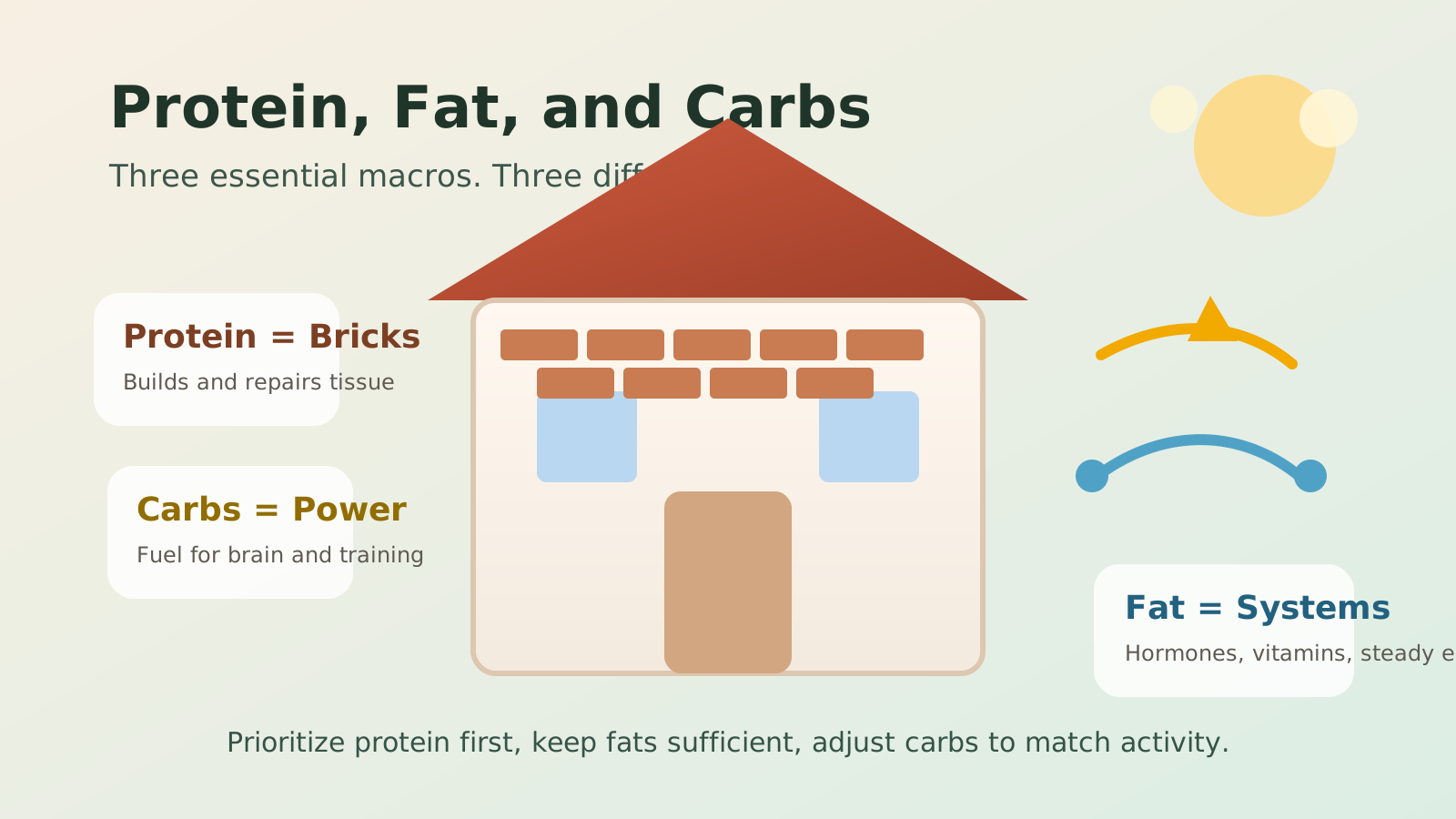
A simple way to think about the big three: protein builds, carbs fuel, and fat keeps the system running well.
Carbohydrates, fat, and protein are all essential. They just do different jobs.
If someone asks which one matters most, the most useful answer is usually:
- Protein first
- Healthy fats next
- Carbohydrates adjusted based on activity and calorie goals
That does not mean carbs are bad or fat is optional. It just means protein is usually the macro people under-prioritize most, especially if they want to stay lean, recover well, and keep or build muscle.
The Big Idea
Think of your nutrition like building and running a house:
- Protein = bricks: the building material
- Carbs = electricity: fast usable power
- Fat = plumbing and insulation: the systems that keep everything working
You need all three.
But if you do not have enough bricks, it becomes much harder to build, repair, or maintain the structure.
Protein: Builds and Repairs
Protein provides amino acids, which your body uses to:
- build and maintain muscle
- repair tissues
- support immune function
- produce hormones and enzymes
- keep you fuller for longer
If protein intake is too low:
- you may lose muscle, especially while dieting
- recovery from training often slows down
- hunger may increase
Good protein sources include:
- chicken
- fish
- eggs
- Greek yogurt
- cottage cheese
- tofu
- beans
- lean beef
- protein powder
A Practical Protein Target
For most active people, a useful range is roughly 1.2 to 2.0 g of protein per kilogram of body weight per day.
If you lift weights regularly or want to build muscle, 1.6 to 2.2 g/kg is a strong target.
That is why protein is usually the first box worth checking every day.
Fat: Hormones and Long-Term Energy
Fat often gets treated like the villain, but it is essential for normal health.
It helps with:
- hormone production, including testosterone and estrogen
- absorption of vitamins
A,D,E, andK - brain health
- organ protection
- steady energy
If fat intake stays too low for too long, it can hurt energy, hormone function, and nutrient absorption.
Good fat sources include:
- avocados
- olive oil
- nuts
- seeds
- salmon
- eggs
A Practical Fat Target
A good starting range for most people is around 20% to 35% of total daily calories from fat.
Carbohydrates: Fuel
Carbohydrates are your body’s preferred source of quick energy.
They help:
- fuel your brain
- power high-intensity exercise
- refill muscle glycogen after training
- support better workout performance
Carbs do not automatically cause fat gain.
Weight gain happens when you consistently eat more calories than you burn, regardless of whether those calories come from carbs, fat, or protein.
Good carbohydrate sources include:
- rice
- oats
- potatoes
- fruit
- vegetables
- whole grains
- beans
If you train regularly, especially with running, lifting, intervals, or other intense sessions, carbs usually help you perform and recover better.
What to Prioritize Based on Your Goal
If the goal is fat loss
- keep protein high
- eat enough healthy fats
- reduce carbs or fats as needed to create a calorie deficit
If the goal is muscle gain
- keep protein high
- eat enough carbs to support hard training
- include healthy fats consistently
If the goal is general health
- get plenty of protein
- include healthy fats every day
- choose mostly whole-food carb sources
For most people, that means fruit, vegetables, oats, potatoes, rice, beans, and whole grains should make up most carbohydrate intake.
Simple Macro Order of Operations
If you want an easy default, this works well:
- Hit your daily protein target.
- Make sure fats are not too low.
- Adjust carbohydrate intake based on training volume, appetite, and calorie goal.
This approach is simple, flexible, and usually more useful than arguing that one macro is always “best.”
A Good Starting Mental Model
If you are active, trying to improve body composition, or simply want a way to keep meals sensible, this is a solid baseline:
- build meals around protein
- include a reasonable fat source
- scale carbs up or down depending on how much you move
That means a harder training day might deserve more rice, oats, potatoes, or fruit, while a less active day might not need as much.
The point is not to fear carbs.
The point is to give them the right job.
Final Take
Protein, fat, and carbohydrates all matter.
But if you are unsure where to focus first, protein is usually the best starting point, healthy fats come next, and carbs are the lever you adjust based on activity and overall calorie needs.
Get enough protein to build and recover. Get enough fat to support health and hormones. Use carbs to fuel the work you actually do.
That is usually a far better strategy than treating any single macro as the hero or the enemy.